Gun violence is a preventable tragedy but still stands as one of the main causes of death across the United States. In 2022, 48,204 individuals died due to interactions with firearms, with suicides being the leading cause of gun violence fatalities. Apart from suicides, other instances include homicides, legal interventions, and unintentional injury/shootings.
There is an average of one death and almost 200 nonfatal injuries due to gun violence in America every 11 minutes.
Another study shows that there was a 22% rise in gun-related fatalities from 2019 to 2022, and in 2023 an average of 118 individuals died from gun-related incidents per day. For every individual that dies from gun violence, two survive and carry costly and extraneous injuries, totaling to 100,000 people wounded by guns yearly. Between January 1 and July 2, 2024, over 261 mass shootings took place. In the years between 2018 and 2023, there was an average of 603 mass shooting events.
To start with the leading cause of gun violence fatalities, we have to tackle the subject of suicide. The majority of people who attempt suicide do not succeed, and it is estimated that only 5% of suicide attempts are actually successful. However, when looking at suicide attempts that utilize guns, upwards of 90% of them are fatal. The US gun suicide rate is 12 times that of other developed countries, and within the US the rate of gun suicide is 2.5 times higher in rural regions than urban ones. In fact, suicide-by-gun accounts for less than 5% of attempts, but more than half of fatalities. While part of the solution to this problem must come from investment in mental health, simple policy solutions like mandatory safe storage, red flag laws, and waiting periods for purchasing guns go a very long way. Still, this problem is something that plagues this country and shows no signs of abating.
Beyond those facing mental health problems, another particularly vulnerable population within the US disproportionately affected by gun violence are women who often become victims of domestic violence (DV). 4.5 million women across the US have reported being threatened with a firearm by an abusive partner. However, guns are not just used by abusers to threaten their partners. An analysis of CDC data finds that 7 in 10 DV homicides in the United States every year are committed using a firearm and that nearly three-fourths of the victims of those homicides are women. Women who live with an abusive partner are 5 times more likely to be murdered by that partner if there is a gun present within the household. Notably, this statistic does not hold for men living with abusive partners, meaning that women are, year after year, disproportionate victims of DV homicides involving firearms. In fact, women in the United States as a whole are 28 times more likely to be murdered using a gun than women in other developed nations.
Statistics about gun violence’s impact on women and DV victims are rightly horrifying. However, guns pose an even bigger threat to children and adolescents in America. Gun-related deaths surpassed motor vehicle accidents in 2020 as the top cause of death for individuals under 19. Among this age group, gun-related homicides acted as the main cause of death, and having access to a firearm in a home corresponds with an increased risk for homicide victimization.
A report published by the Johns Hopkins Center for Gun Violence Solutions found that of the 48,000 individuals who died from gun violence across the nation, 2,500 of those killed were children and teens in the age groups of 1 to 17. These trends are especially prevalent in demographic groups like Black and Latino youth. Black youth from the age of 1 to 17 had a higher rate of gun homicide compared to white youth. Similarly, the homicide rate for Hispanic and Latino youth was three times higher than for white youth. Gun suicide rates are doubled for Hispanic and Latino youth (age 10-17) and are tripled among the Black youth (age 10-17). When expanding across all ages, American Indians and Alaskan Natives were five times more likely to die by gun homicide when compared to white people.
Another unsettling trend is seen in the rise of gun violence taking place in U.S schools. According to the National Institute for Health Care Management (NIHCM), there were 1,290 cases of gunfire on school grounds since 2013. The 2021-2022 school year had the highest number of gun-related incidents on campus and 144 incidents were reported in the 2023-2024 school year. Five children are lost for every 100,000 across the U.S and almost 3,500 die in gun-related incidents every year.
Beyond the devastating number of deaths, gun violence also stands as a major health problem, and has economic consequences in society and the healthcare system. The cost of gun violence in the U.S. is a staggering $557 billion annually. A majority of the costs include the quality-of-life costs, which involve pain and wellbeing lost by those injured and their families. An estimated $11 billion are allocated towards police and criminal justice, court processes, and incarceration. Following gun injury, medical spending increases by an average of $2,495 per month for adults and $2,907 per month for adolescents and children—$30,000 to $35,000 annually. Each death by a firearm impacts taxpayers as well, costing almost $274,000 and an annual average close to $1,700 per taxpayer. These unruly costs lead to a decline in financial stability in the United States. Premature death in younger working-class individuals impacts society by reducing the number of people in the labor force. Mass shootings also contributed to a decline of the economy. The prevention of incidents like this would assist in bolstering the economy and ease the economic burden.
Gun violence is also not something that starts and ends at state lines. Gun smuggling across state lines is a massive issue that can drive gun related crime and violence up even in states where gun laws are strict. The Iron Pipeline refers to the routes used in the US to smuggle guns from states with lax gun laws and enforcement (like in the Southeastern US) up to states with much stricter laws (like in Northeastern states). An investigation from the New York Times found that ⅔ of all the guns used in gun crime in NY and NJ came from out-of-state, and the majority of those out of state guns came from the South. Similarly, many of the guns used in crimes in Chicago come not from Illinois but from neigboring Indiana, where it is very easy to purchase one without a background check or waiting period. In fact, Everytown Research found that 78% of smuggled guns with short time-to-crime periods (meaning the period between purchase and usage in a crime) were purchased in non-strict states without background checks.
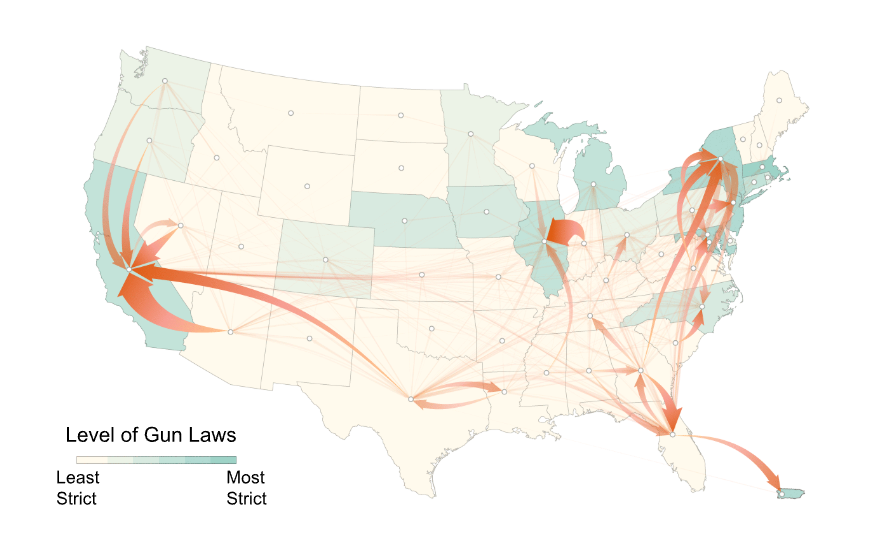
As a matter of fact, American issues of gun violence do not even stop at our own national borders. Many Latin American countries have major gun violence problems, despite many having quite strict laws regarding the legal acquisition of firearms. The reasons behind this prevalence of violence are multi-faceted and complicated, but one of the primary reasons is quite simple: millions of guns are smuggled into those countries across the US border - guns sold in the US and made by domestic manufacturers. Upwards of 70-90% of the guns used by cartels in Mexico are smuggled out of the US, and 7 out of the 10 most common gun brands seized from cartel groups by the Mexican military are American manufacturers like Colt, Winchester, and Smith & Wesson. Drug cartels like the Sinaloa and Gulf Cartels are responsible for much of the trafficking of narcotics into the US, including the increasingly deadly fentanyl. In other words, our own patchwork system of gun laws and lackluster enforcement keeps dangerous cartels that are responsible for drugs that kill thousands of Americans per year armed and dangerous.
States with high rates of firearm ownership drive the nation’s homicide rate. Several federal gun control measures are seen in the fine print, but the laws vary by state. The difference in these laws make it easier to obtain firearms in one state compared to another. For example, California has strict gun control laws and a homicide rate of 3.5 per 1000,000 people but Mississippi, which is a state known to be very gun friendly, has a gun homicide rate three times California’s. When examining gun laws in California, the state is ranked as the number one in the country for gun law strength by Everytown Research. The composite score is found by looking at the state’s foundational laws and finding the gun violence rate which is calculated by looking at the number of gun deaths per 100,000 residents. Some of the foundational laws include background checks/purchase permit, a required concealed carry permit, extreme risk law, no shoot first law, and a secure storage or child access prevention. Other laws monitor product safety, guns in public, keeping guns out of the wrong hands, policing and civil rights, and sales and permitting.
If every state had gun death rates similar to the “National Leader” states like California, New York, Illinois, Connecticut, etc., then approximately 298,000 lives could be saved in the next decade.
When looking over states ranked as having the top 50 gun safety policies, a trend starts to appear indicating that states with stricter laws have less gun violence. However, this outcome is debatable as states with strict gun laws, like Illinois and Maryland, experience a higher level of gun violence because of their populated cities and are often targeted by traffickers. Additionally, states like New Hampshire and Rhode Island seemingly have low gun death rates but are seen to have weaker policies, partly due to vigorous laws that exist among the other states in the region. Despite the importance of gun laws in each state, outlier states work against the trend, showing there are other factors that contribute to the numerous deaths that have plagued America.
The majority of states with the most gun homicides scored high for “gun friendliness.” Interestingly, however, Joslyn Law Firm compared firearm homicide rates to gun friendliness and found that Maryland ranked fifth on the list of states with the most gun homicides but received a gun friendliness score of 1, meaning there were high gun homicides despite strong gun laws in the state. Maryland’s gun homicide rate was a result of one of its infamous and populated cities, Baltimore, known for having issues involving gun violence and firearm charges. Gun violence in cities occurs at a rate 80% above the national average and 130% above the average in rural counties.
But this doesn't mean that gun laws are ineffective in cities— Everytown research found that cities in states with stronger gun prevention laws still have half the rate of those with weaker policies. In fact, cities that have an numerous gun shops experience four times the gun suicide rate than cities that have far less shops. Also, the average US city has 5.9 deaths per 100,000 people, a lower incidence than many rural states. Rural areas with no major cities and high gun friendliness scores may have comparably lower numbers of gun violence because of their smaller populations, but overall have higher incidence ratios statewide. This reestablishes that areas where gun laws are strong, such as the Northeast US, have generally lower rates of gun violence deaths than areas like the Southern US where gun laws are lax. No matter the demographic, the strength and clarity of state gun laws correlate to gun-related deaths nationwide, reflecting their impact on residents' understanding and adherence to these laws.
In conclusion, gun violence in the United States is a complicated issue where many different underlying issues all rear their ugly heads. Contributing factors include poor mental health care, poverty, drug use, and domestic violence, but at the end of the day the root cause is simple: the mass proliferation of guns in the US. Our broken system of state-by-state laws and a lack of political will to address the issues through concrete legislation have allowed death and destruction to wreak havoc on our country. It is a long and hard road out of this crisis, but it starts with understanding the data behind gun violence, knowing what solutions work and don’t work, and taking on our issues one gun at a time.
A survey conducted by eHarmony in 2020 “predicted that by 2040, 70% of relationships will begin online.” In a paper published on this survey, Nicol Holtzhausen, a researcher at Western Sydney University, made the claim that, in the future, society will heavily depend on dating applications because people who are genuinely searching for a potential romantic partner want someone that matches their values and expectations. People use dating apps with different goals, meaning there are a variety of reasons why dating apps appeal to users, despite the heavy criticism they face.

Researchers disclosed that dating app users “ were found to have significantly higher rates of psychological distress, anxiety, and depression, but were not found to have significantly lower self-esteem.” Based on personality types, introverts prefer to regain energy by spending time by themselves, in contrast to extroverts who prefer to regain energy by spending time with others. Researchers from Stanford Medicine stated online dating was an ineffective coping mechanism when it came to individuals suffering from mental illness. They continued to draw parallels between dating apps and social media, arguing that both platforms can contribute to similar feelings of depression and anxiety.
Despite this, it appears that in general, survey users have a higher level of self-esteem. Interpretation of the data proves that a younger age demographic might have a strong sense of themselves as individuals, as well as the idea that they are more aware of their values in terms of searching for a long-term romantic partner. This result may look different depending on the person’s comfort level in meeting someone online in comparison to an in-person interaction. For example, people who generally have a lower level of self-esteem and a sense of themselves may be more likely to search for a romantic relationship through online dating because they are more sensitive to meeting people in person and prefer online interactions first. However, people with higher levels of self-esteem often feel more comfortable and confident in real life, making them more willing to approach a potential partner in person than somebody with lower self-esteem. In an age of loneliness and technological isolation, dating apps may end up making those trends worse in their attempt to bridge people together.
Dating apps can also help increase self-confidence because they minimize the fear of rejection for introverted people, making dating less intimidating and comfortable— this helps people get out of their comfort zone and make connections they wouldn’t otherwise. A profile can be carefully crafted and edited serving as a powerful tool in self-presentation. Dating platforms provide a shield of anonymity, allowing users to selectively choose what to reveal about their personality and to create a better version of themselves online, and not worry about being judged for it. Although this may lead to false presentations or “catfishing,” being able to display the best parts of yourself to others can be very beneficial to self-confidence. This also offers users a unique way to control the way they are perceived by others which becomes extremely useful when it comes to finding your ideal person.
This also ties into another appealing aspect of dating apps, namely its efficiency when relaying personal information. Users learn a significant amount of information in just a few minutes of reading their profile. Dating app efficiency especially appeals to the young adolescent demographic because they want to keep up in a rigorous and fast-paced environment, balancing education, relationships, and occupations, and online dating helps them to do so. Dating apps are available to the majority of society who own mobile phones, allowing users to quickly make connections with people, without having to go out of their way or break their routine.
According to Holtzhausen et al., “More than one-third of people (38%) are more open to dating someone who is not their physical type and 28% are less concerned with dating someone that matches the expectations of others. Additionally, 63% are more concerned with emotional maturity than physical looks”(1). Online dating apps provide people with the opportunity to look through diverse options, disregarding physical appearance to find exactly what they are looking for, especially because dating apps allow people to meet others they would never encounter in their day-to-day life. In one’s attempt to find a romantic relationship, they may discover their ideal partner may be the complete opposite of what they were looking for, leading to unexpected attraction. Having a variety of dating app options also allows users to have access to downloading or looking into various applications they find more appealing for their interests, making dating feel more tailored to the individual. For example, there are dating apps tailored to different age groups, types of relationships, sexual orientations, and even religions.
Due to the extensive algorithms and consumption of information from their users, it is hard to predict if individuals will discover meaningful relationships that were initially found through a screen, especially because dating app satisfaction stems primarily from people’s motivations for using the apps. Whether someone wants something long-term or not, dating apps are available for all to use. This may make it hard to filter and find what you’re really looking for, but overall, dating apps are appealing because they allow people to connect with others while keeping up a busy routine, they give people the confidence to make connections that might intimidate them face-to-face, and allow people to tailor their app choices to the things they want or keep a more open mind when exploring more diverse options. As with all forms of modern technology, dating apps present a complicated, nuanced list of pros and cons, and it is up to users to decide what works for them and what doesn’t.
This article was collaboratively produced by Ellie Noti, Ryan Desnick, Antonia Kladias, Vera Then, and Kaitlyn Ip.
]]>
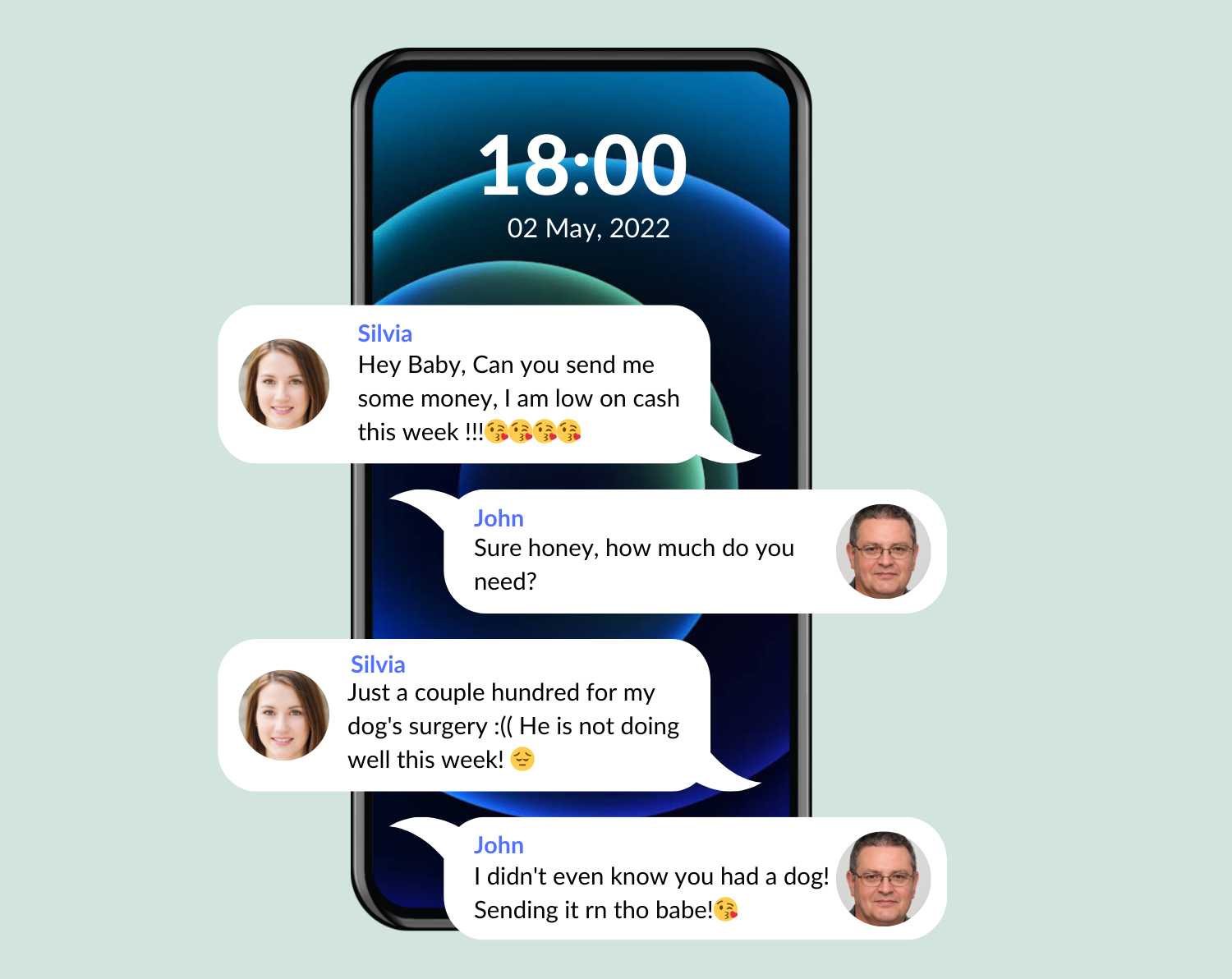
Love Scams Gone Viral
Since bots are not real accounts, they can be made, run, and send messages automatically. Because they are so easy to make, they make up a large portion of all the accounts in these dating sites like Tinder, Hinge, and Bumble. Why are people doing this? Besides deliberately stealing the money of users, they are also used for human trafficking which we will reference later on. Using bots gives them much more accessibility and expands their influence to all users (Federal Trade Commission).
So this gives rise to another question. How do people fall for this and does this actually work for the scammers? Sadly, the companies of the apps and the users lose hundreds of millions every year. Most people who are targeted are older individuals but it isn’t uncommon for younger people to fall victim as well. This also gives these dating sites a bad image as they fail to regulate the amount of bot and scam accounts. Overall, this is bringing significant harm to both the company and the users within these apps.
Pig Butchering: The Dark Side of Romance Scams
What is “Pig Butchering” and what does pork have to do with dating scams? Well, pig butchering in this case has nothing to do with the meat industry. “Pig Butchering” is one of the darker effects of romance scams that involves illegal human trafficking and labor. This usually occurs in Southern Asian countries where people are tricked to perpetuate schemes against their will. The original term of “Pig Butchering”, comes from the act of fattening up a pig before essentially killing them for meat. This is a dark but accurate metaphor for what the scammers are doing (ProPublica).
Pig Butchering scammers use online dating sites like Tinder to target their victims. People who are using online dating apps are usually looking for a romantic partner. This makes them susceptible to trusting and fall victim to manipulation. After building trust, this leads to the butchering part of this scheme.
According to the Federal Trade Commission, some of their favorite lines to manipulate you into sending them money is ‘I, or someone close to me is sick, hurt, or in jail” which they use 24% of the time. Another way they use is by mentioning ways that they can teach them how to invest which occurs 18% of the time. In the same number of occurrences, they might mention that they are in the military or need help with an important delivery. Overall, these are some lines that they use regularly that can help you identify them as scammers.
Love Hurts…and Sometimes It Steals Your Savings
Falling in love is supposed to be a roller coaster ride filled with late-night conversations kicking up your feet in bed, screaming in your pillow out of frustration, and at times making you feel like life is worth living as it restores your faith in humanity. However, that isn’t the only roller coaster when it comes to how love can impact your life. Your bank account is also vulnerable to go up and down if you aren’t very careful.
Imagine this: you’re scrolling through your dating app, and there they are—your dream person. Your Romeo to your Juliet. They’re charming, bright, attentive, articulate, and just so happen to have a lucrative “investment opportunity” to pull you in. Spoiler alert: the only return on investment in this scheme is a heartbreak and financial devastation.
This is the cruel irony of pig butchering scams. These fraudsters don’t just con people out of money; they pull at your heartstrings first. They turn affection into ammunition, trust into a trap, and promises of forever into financial ruin. Consider the trauma and emotional scars as the interest you pay on your ‘financial investment’. With that being said, let’s dive into the raw, vicious aftermath for victims as we describe their pain through numbers and datasets.
According to this article from the Federal Trade Commission in 2023, nearly 70,000 people reported a romance scam with losses hitting a staggering $1.3 billion back in 2022. The median reported loss was $4,400, and it looked as if this was another area in which COVID-19 impacted our lives even after the end of the pandemic as these trends follow the spike in online dating app scams seen from 2020 and 2021. In that single year of 2022, cryptocurrency was responsible for 34% of the total reported financial losses whilst only accounting for 19% of the total number of reports. On the other hand, gift cards accounted for 24% of the total number of reports but only liable for 7% of the actual financial losses. This shows that if your partner ever brings up crypto or gift cards, close out the app IMMEDIATELY. Ok, on a more serious analysis, this proves that cryptocurrencies’ varying values is an extremely risky ‘investment opportunity’ and will hit you the hardest if you fall for it. You’re a lot more likely to get trapped using gift cards but don’t worry, even if you do fall for it, you shouldn’t be losing too much money. One last thing to note from this article is that just because you’re young and know how to navigate the internet better than the millennials and boomers, it doesn’t mean you’re not as susceptible to these scams. If anything, reports show that younger people are actually more likely to fall victim to these schemes; specifically, sextortion. Scammers who convince you to share explicit photos will in turn threaten to share them online if you don’t pay up. People aged 18-29 were over six times as likely to report sextortion than people 30 and over. So, the age-old saying of “be careful of what you put on the internet or else you’ll fall into a sextortion scheme on an online dating app” still stands to this day.
In this graph created with data from the Internet Crime Complaint Center (Federal Bureau of Investigation), we look specifically at confidence/romance fraud under all types of fraud in the U.S.. It is evident that COVID-19 caused a massive surge in the sheer amount of money these con artists robbed people of. 2019’s $475 million already seems like an insurmountable amount, but it pales in comparison to 2021 when this number doubles to $956 million. However, the one silver lining would be that 2021 and the COVID-19 pandemic may just be an anomaly and will not continue the trend of increasing amounts of money lost with more reports of romance fraud itself. In 2022 and 2023, it looks as if we are slowly trending back to the pre-pandemic number of fraud cases, especially highlighted in the second part of the graph that shows the number of romance fraud cases.
Ok, online dating Scams are extremely dangerous, we get that. How’s it being dealt with by law enforcement?
Well, there are laws that will help you if you ever do get caught up in an online dating scam. However, when it comes to these kinds of cases, the law is playing a game of catch-up with scammers who always seem one step ahead. Similar to online privacy and AI issues, technological innovation has simply outpaced our bureaucracy and there are many hurdles that law enforcement face when presented with this matter (maybe it has to do with the demographics of our policymakers; ok I’ll stop). The biggest hurdle is the fact that scammers often operate from jurisdictions where enforcement is lax and cooperation is limited at best. The anonymity provided by the internet and VPNs makes tracing these financial transactions a nightmare. Combine this with the number of reports and devastating financial losses, it’s like catching fish with your bare hands.
The Wire Fraud Act: The Scam Slayer (Sort Of?)
However, again, there is a silver lining. The Wire Fraud Act is the most frequently used policy in the legal fight against online dating scams. Although it was enacted in 1952 (again highlighting how potentially outdated our laws regarding technology could be), instead of targeting fraud transmitted via wire, radio or television, it is now the go-to law for prosecuting criminals operating through emails, texts and dating apps in this digital age. What makes this Act so notable is its broad wording. It doesn’t matter if the scammer is selling crypto or wants a $5 donation to their cash app. The only criteria they need to meet is if they used electronic communication to scam someone. And if they did, they’re in violation and will be personally escorted to their hefty penalties including fines and potential prison time, which will of course escalate the larger the case is and more parties involved. Sorry to end on a downwards note again, but like all things related to law, there’s an easy way for scammers to avoid this: operate outside the jurisdiction of U.S. law enforcement, which in simpler terms means scam Americans from a country with little incentive to cooperate with U.S. law enforcement. That’s why we’re here though, to prevent you from going down this trap in the first place so you can avoid the whole headache.
Wrapping It Up: Swipe Smart, Guard Up.
Online dating is supposed to be a modern fairytale; full of quirky messages, cringey interactions, and a place where underneath all the rubbish, you might find the hidden gem of true love. But as we’ve uncovered, the digital landscape can also hide some serious dangers within the bushes and the woods. Just like the werewolf licking his lips watching Little Red Riding Hood, there are many extroverted bots looking to steal your data and privacy, and other pig butchering scammers looking to fatten you up for financial slaughter. The stakes are high, but here’s the good news: awareness is your strongest armor, and you ain’t no Little Red Riding Hood. If you ever encounter a potential scammer on an online dating site, take a step back. Think to yourself “My, how perfect of a personality you have”, “My, how anonymous and vague you sound”, “My, what lucrative investment opportunity you have”, and critically analyze your partner at times.
By understanding the playbook and narrative scammers use—love bombing, emotional manipulation, too-good-to-be-true investment pitches—you can avoid this whole hellhole. Spotting red flags and trusting your gut can save you thousands of dollars but most importantly a heartbreak. While the legal system and dating platforms are playing catch-up to find these criminals, every new person aware of these scams is a win for all internet users. So whether you’re swiping for “the one” or just looking to chat, keep your eyes wide open and your wallet tightly shut. Love might be blind, but you don’t have to be.
Peace out,
A Growing Concern for Safety
I f you’re an average person with a smartphone, you’ve likely heard of Tinder. Maybe someone you know has told you about it, or you’ve experienced it first hand yourself. Whatever opinion you hold about the app, swipe with caution. Tinder and its match-making counterparts may be contributing to a dark trend. These apps offer a new platform for malicious users to sexually harass others with little accountability. Women are the primary victim of this kind of behavior, with men being the primary perpetrator.
Dating is hard enough these days, and online dating apps may not make it any easier. A study done in 2017 by the PEW research center has shown that 20% of women, compared to a disproportionate 8% of men, have been sexually harassed on an online dating platform. With dating-app usage increasing steadily since 2015, this new way of match-making is sought out by many individuals from all age ranges, the majority of whom are under 30 years old. With activity increasing, the more necessary it is to crack down on this unacceptable behavior.

Tinder Trauma
The most popular apps among this demographic are Tinder, Bumble and Hinge. Sexual harassment on these apps can range in severity. To name a few, users receive unwanted sexual comments, images, and threatening messages. They also experience continued contact after expressing disinterest. The standards were already low, but asking to not send an unsolicited “dick pic” to a complete stranger would be the bare minimum. I guess I was wrong.
If an encounter occurs outside of the app, the trends are even more concerning. A study from Brigham Young University College of Nursing in Utah found that victims of dating app sexual assault were more likely to be strangled, 32.4% compared to 21.5%, and more likely to be a college student 22.2% compared to 16.5%. As far as the perpetrator goes, they were more likely to use a weapon, 11.0% to 9.1%, and more likely to use restraints, 5.2% to 4.1%.

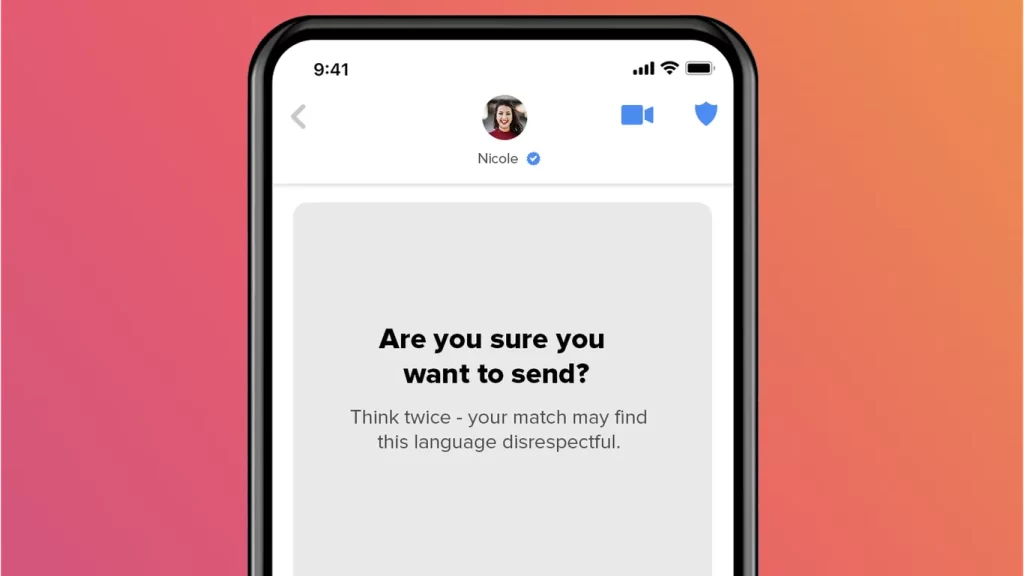
Tinder makes a disappointing attempt to discourage harassment and bullying on their app. Users are prompted to select “Yes” to bypass the warning or “No” to delete the message. Tinder tries to curb offensive messages
In terms of injuries, dating app sexual assault cases were overall more violent compared to those that were not facilitated by dating apps. Dating app cases had a higher frequency in genital injuries, 50.2% compared to 38.8%. For non-genital injuries, the frequency was 71.4% compared to 64.6%. The most shocking part, “Male perpetrators were involved in all dating app sexual assault cases”. A more recent study done in 2021 by PEW research center found that women see sexual harassment online as a major issue, compared to only 48% of men. I can see why.
These instances of sexual harassment should not be a “necessary evil” of dating apps. With being an asshole getting increasingly easier with the invention of the internet, safeguards need to be put in place for the people who aren’t. This is especially important in sexual harassment situations that can cause lifetimes of trauma. Until these apps take some accountability for the abuse that occurs, use caution while swiping, and tell your friends too.
LGBTQ+ Harassment
The harassment goes beyond gender. Unless you live under a rock, you know members of the LGBTQ+ community are constantly under intense criticism by politicians and podcast bros alike. From drag queens “exploiting” the youth (reading books to them while clothed) or children’s authors “indoctrinating” 4th graders with “sexually explicit content” (Tina the Turtle has two mommies), the propaganda perpetuating the narrative that all LGBTQ+ individuals are pedophiles continues to snowball out of control. (Statistically, most pedophiles identify as heterosexual, not to point the finger).
You’re on Tinder. What do you expect?
Online dating apps have a major problem with sexual harassment—but solutions must start offline
If you’re one of those rare people that have a brain and a sense of common decency, you know that individuals just want to love one another peacefully without being harassed. Yet for many, this simple desire is made impossible by a society determined to make them feel like outcasts. Dating apps have been a large part of LGBTQ+ people finding love and a community, which may be more comfortable due to the fact that it exists online and it can be easier to hide in situations where coming out is not an option.
Finding acceptance has been a longstanding issue when it comes to the mental health of those in the LGBTQ+ community, so the introduction of dating apps that cater to their needs has been truly instrumental in lowering rates of suicide and crisis. According to a survey by the Harris Poll, LGBTQ+ adults are more likely to say Tinder, a popular dating app, is “fun” or “hip” which indicates positive feelings attached to the app. For a community that has long faced marginalization, these digital spaces are doing more than connecting people; they’re helping build a sense of mutual enjoyment in life.
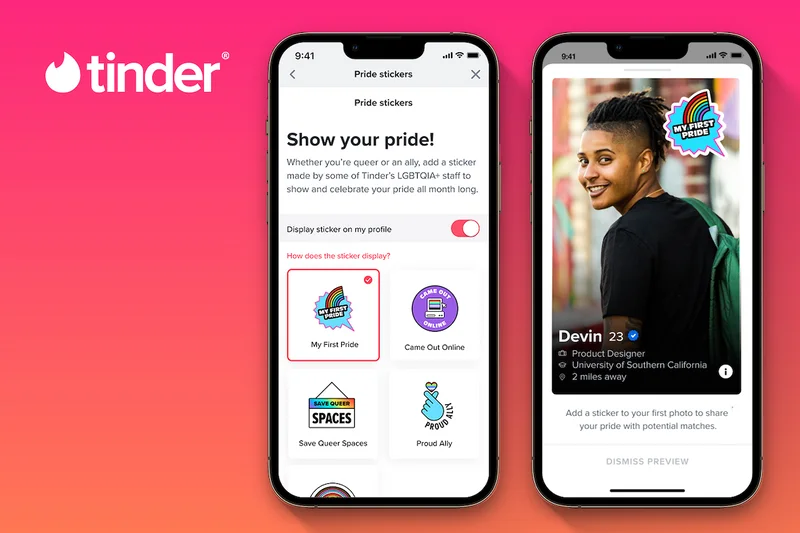
Tinder adopts pride stickers to promote inclusivity
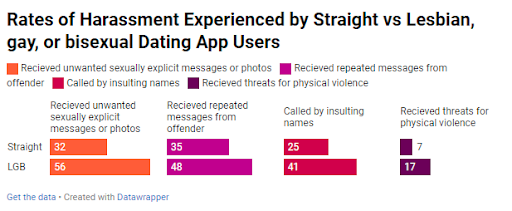
Even with all the good that dating apps and online spaces have done for the LGBTQ+ community, harassment is still a massive problem, a lot of it mirroring the verbal harassment and threats of violence LGBTQ+ people face outside of cyberspace. For a lot of people, these platforms are supposed to be a safe place to connect, but they often fall short. A report by Pew Research shares stunning statistics from only LGB online dating users that truly capture how unbalanced harassment is between them and their straight counterparts.
In this study, nearly half of these users have reported continued contact by a match after they said they weren’t interested, compared with the 35% of straight individuals surveyed. This can take the form of stalking, creating new accounts to continue contact, or harassment on social media accounts. For this group of people, reporting harassment to the company itself often feels like shouting into a void, and many LGBTQ+ users are left feeling unsupported and unsafe.
Swipe With Caution
Moderation efforts by bots or artificial intelligence help, but are still not a perfect solution. What’s more, those who sexually or violently harass users are unlikely to face legal consequences
in a timely manner, as with a lot of cases involving LGBTQ+ individuals. Platforms such as Tinder and especially Grindr, which is geared toward gay men, have a responsibility to their users to
ensure that their terms and conditions are held firmly by everyone.
Despite their pledges for safety, many dating companies continue to fall short. A now famous case against Grindr, Herrick v. Grindr, highlights the company’s poor regulations for duplication of accounts, which can be interpreted as stalking. Matthew Herrick, the Plaintiff, was continuously harassed by a former partner who pretended to be him on multiple occasions. According to Herrick, the fake profiles created by the partner communicated with other men on the platform, falsely informing them of a grotesque interest in rape fantasies and role play. The partner also invited the men that were seemingly being “seduced” back to Herrick’s home and place of employment without his knowledge for sexual intercourse.
All things considered, dating apps have truly been a lifeline for the LGBTQ+ community, providing spaces to connect, find love, and foster a sense of belonging in a world that so often rejects their pleas for acceptance. These platforms have positively impacted mental health, reducing feelings of isolation and even suicide rates. However, the undying harassment faced by LGBTQ+ users both online and offline continues to suffocate these benefits. Cases like Herrick v. Grindr expose dangerous flaws in moderation and policy enforcements that leave users vulnerable to stalking, impersonation, and abuse by known partners or unknown strangers.
To truly support LGBTQ+ users, online dating sites need to go beyond their common, lazy, surface-level efforts, implementing stronger protection for users, and ensuring that reports of harassment are not just brushed under the rug and thrown into a file cabinet in the deep of a high rise. While these spaces have the potential to be havens of connection and common ground, only through careful rebuilding and policy upholdings will they have the full trust of their loyal LGBTQ+ users.
The Gaps in Online Safety
Unfortunately, the internet can be a grim place. It has offered an avenue for people to hide behind the accounts they create. People have online personas that make it impossible to determine their true intent. They may not disclose their identity or lie about it, making it extremely difficult for them to be held accountable. Their account gets banned, so what? They make a new one with another email and continue to harass whomever they want. Just look at this Forbes Ranking on Safety, Tinder comes in with a whopping 97% negative review on safety and privacy features, followed by Hinge’s 95%, and the Bumbles’ modest 91%. What is going on here?
In an article written by Time, Tinder and Hinge in their terms of use, yes their terms of use that no one reads, asks users to affirm they aren’t a sex offender, or don’t have any sex related or violent felonies. With no background checks on any of these platforms, I think the violent sex offenders will just hit agree like everyone else.
Tinder and Bumble have features that monitor conversations checking for explicit images or inappropriate language. All three platforms have features where you can ban and report users, but it is unclear how easy users can make a new account. These “regulations” are not enough. On top of the perpetrators, the platforms need to be held responsible for the safety of their users.
This article was written and edited by Nicole Diaczun, Erica Kerman, Amelia Oakley, Grace McKissock, and Humza Chaudhri.
]]>
Before apps and sites, those looking for love used newspaper ads in hopes of finding a match that, too, liked pina coladas and getting caught in the rain. Of course, meeting strangers for coffee is nothing new, but perhaps it’s the reliance on online methods that makes modern dating so, as one anonymous survey respondent said about their experience with dating apps, “terrible, lol.”
Data from the Pew Research Center concludes that 47% of adults in the U.S say that “dating has become harder in the last 10 years.” Men especially cited technology itself as the problem, but women, who represented the majority of those who felt dating has become harder, cited physical and emotional risk. This highlights a general consensus that there are increased dangers associated with online dating. Another Pew Research study shows that around 49% of people in the U.S think meeting people over apps is unsafe, and 48% report experiencing some level of harassment. These ideas are not irrational, in fact, 10% of sex offenders use online dating platforms. Anxieties over online dating safety have also led to an trepidatious dating culture—65% of those surveyed by the Pew Research center said the “increased focus on sexual harassment and assault” in recent years has led men to feel reluctance when interacting with others when on dates. The staggering similarities between the proportions of the population that have either experienced harassment, are worried about experiencing harassment, or both, and the proportions of the population that view dating apps as unsafe and modern dating as harder, are almost ironic— the majority of the population blame an increased focus on preventing such harassment and assault as the reason that modern dating is harder.
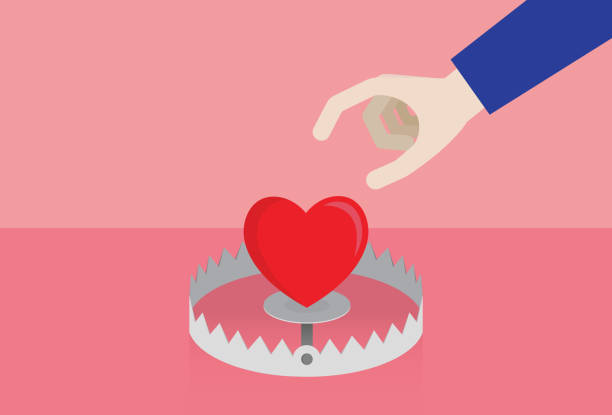
The nature of online dating apps has allowed the issue of harassment to become more mainstream, creating a dating culture where people must consider safety and uncertain situations, ultimately making dating feel “harder.” But dating apps have some redeeming qualities. The aforementioned Pew Research study found that modern dating is hard for a plethora of other reasons too, like mismatched expectations and finding it hard to approach people, both of which the superficial premise of dating apps can actually help overcome. In fact, there are several pro-dating app arguments that claim dating apps have the potential for speeding up the process of potentially finding a match by adding convenience to the process of meeting and communicating with more people-it is easier to text than meeting someone and hoping to see them again. Some apps have even begun to make relationship expectations more immediately transparent by adding “What are you looking for?” options to profiles. So, even though some users are displeased with dating apps, developers are able to respond to negative feedback and adapt their apps to user preferences.

To get a better idea of dating culture amongst younger generations, we conducted an anonymous survey with 52 adults between the ages of 18 and 52, with the majority of those surveyed being under 25. Results of this survey also showed that of the 50% of surveyed adults have used dating apps, and amongst these users, Tinder was the most popular dating app, with 73% of dating app users surveyed having used or are currently using Tinder. In this survey, one respondent wrote, “As someone who was looking for something long-term, it was hard to weed through who was serious and who was just looking for something casual, especially on Tinder.” This observation is not uncommon—only 50% of the Tinder users in our survey actually use it for long-term relationships. Interestingly enough, long-term relationships were the most preferred relationship type across the board, as chosen by about 67% of all survey respondents and 69% of dating app user respondents.


It is this type of discrepancy that fuels frustration around mismatched expectations, even on dating apps which have features designed to provide transparency. This has led to varying opinions of dating apps, the majority of which are neutral, but overall more negative than positive, especially for women who are more concerned with dating app safety. On the surface, the superficiality of dating apps isn’t any different than the superficiality of flirting with a stranger in public, but dating apps allow the user to tailor their experience on the assumption that each user is honest about their expectations, and it can be especially jarring when those parameters are violated. So, even if someone says they are looking for a long-term relationship, it is never really guaranteed that this is true, as this data proves.

Perhaps the problem with dating apps isn’t the fact they exist, rather the issue lies with the environment they foster, making it easy to lie and filter out the blandness and nuance from everyday interactions, leaving the platform saturated with the extreme. Such an environment leaves the user more susceptible to experiencing inappropriate behavior or even perpetuating it, giving rise to worries about safety and increased risk of harassment and assault. Still, people use them, and now so more than ever. So if you’re on the apps or thinking about making a profile, how can you protect yourself? RAINN (Rape, Abuse & Incest National Network) recommends these tips for safer online dating:
When meeting online, avoid profiles that seem suspicious, like those with no bio or with only one photo, and trust your instincts when interacting with accounts that seem untruthful. On the chance you become suspicious of a profile after matching, don’t be afraid to block or even report them, especially if their behavior becomes inappropriate. When meeting in person, especially for the first time, meet in a public place and tell a friend where you’re going and who you’re going with. Again, trust your instincts if something doesn’t feel right, and don’t be afraid to ask a bartender or server for help.
Beyond protecting yourself, in order to increase the likelihood of a positive experience, remember to be that positive experience for someone else. Be honest on your profile, and be polite with those you interact with. Don’t overload yourself—the highest number of options our brain can deal with is nine, so get to know your first nine matches and assess compatibility before you continue swiping for more.
Most importantly, don’t forget that, at the end of the day, it is only an app. Don’t get down on yourself if matches are sparse, and don’t gloat if you’ve matched with the whole userbase. As with any profile online, it’s easy to become wrapped up in it and mistake what you experience for a true representation of reality. Take a step back when you need to, and remember that you are a lot less alone than you feel.
This article was collaboratively produced by Ellie Noti, Ryan Desnick, Antonia Kladias, Vera Then, and Kaitlyn Ip.
]]>The reasons range from horrific acts to accidental harming, yet the facts remain the same. In 2022 alone, 48,000 people died from gun violence in the U.S., averaging 132 per day, one every 11 minutes. With states allowing 18-year-olds to purchase firearms, since 2013 the death rate among children has increased 106% with ages ranging from 1-17. Gun violence was the leading cause of death in children and teens (ages 1-17), over car crashes, overdoses, and cancer. Out of the 48,204 individuals who died by gun violence, 27,032 were from suicide, 19,651 were from homicide, 463 were unintentional, 643 were with legal intervention and 415 were undetermined. Gun suicides reached an all-time high, increasing by 2.7% from 2021 to 2022 (JohnHopkins).
Eight out of ten murders in the U.S. in 2021 involved a firearm, the highest percentage since 1968, which is the earliest year the CDC has online records from. The gun death rates in the U.S. are much higher than in most developed countries, ranking 20th in its gun fatality rate in a study performed in 2018. The FBI found that there has been an increase in active shooter incidents between 2000-2021, with an increase of 3 incidents in 2000 to 61 in 2021 (Pew Research).
There has been an increased rate of gun violence throughout the United States, more specifically gun mortality. From 2005-2022, there has been a rapid increase in state mortality by gun violence over the last 20 years. Resulting in 8 states in 2022 having a rate over 21.18 (lighter red) compared to 0 in 2005. This map allows us to see the real difference that 20 years has made in the United States, more specifically related to gun violence and gun mortality.
Who is to Blame?
The Education Fund to Stop Gun Violence claims that the root of gun violence includes income inequality, poverty, underfunded public housing, under-resourced public services, underperforming schools, lack of opportunity, and perceptions of hopelessness and easy access to firearms by high-risk people (EFSGV).
With gun-related deaths taking the leading cause of death in 2020 over motor vehicle accidents, which had previously held this title: this switch-up can be due to two causes, the numerous legislative steps that have been taken to modify and improve safety in motor vehicles, and the lack of any federal legislation to respond to increased gun violence since 1994, which voted to ban assault weapons. June 24, 2022, the Bipartisan Safer Communities Act was signed into law which became the most significant federal legislation addressing gun violence since 1994; this act expanded background checks, expanded laws on barring those convicted of domestic violence from purchasing a firearm, created federal aid to states that implement “red flag laws” that aid authorities obtaining court orders to temporarily remove guns from those deemed dangerous and cracked down on the ability individuals to make illegal gun purchases (NIHCM).
The lack of sufficient gun laws is a fundamental contributor to the continued increase of gun violence across America. The accessibility and ability for individuals, such as children, to obtain such powerful weapons should be further contained and restricted. The enforcement of stricter gun laws is seen to be efficient in states that enact such laws, and therefore have a lower gun mortality rate and less gun violence in general. California, which has stricter gun laws has a homicide rate of 3.5/100,000 people while Mississippi, a gun-friendly state, has a homicide rate of 10.2/100,000 people (Joslyn Law Firm).
Mental Health Consequences and Educational Outcomes
The psychological consequences of gun violence in schools are severe and lasting. Studies conducted in Jefferson County, Colorado, documented an increase in fatalities among residents aged 14 to 18 during the 1999 Columbine High School massacre in both suicides and accidents. Analyses of healthcare providers located within five miles of an affected school show a rise of 21.3% in antidepressant prescriptions among those under 20 in the two to three years following fatal school shootings compared to the two years prior (Stanford Institute for Economic Policy Research).
These repercussions are not limited to mental health; educational outcomes are adversely affected. Affected students in a Texas study experienced up to a 12.1% increase in absenteeism. Such dips in attendance compromise academic advancement, which results in performance and standardized test score reductions. Experiencing a school shooting more than doubles the chance of needing to repeat a grade in the following two years (SIEPR). Rates of high school graduation declined by 3.7%, and college enrollment rates declined by about 10%. With these students 17.2% less likely to attend a four-year college and 15.3% less likely to get a bachelor’s degree by their late 20s, the long-term picture is also alarming.
Pandemic Blues?
The COVID-19 pandemic serves as a significant turning point in the realm of gun violence and its effects on mental health, particularly among youth. The overall rise in U.S. gun fatalities during this period underscores a concerning trend: deaths among those under 18 escalated by 50% within two years, increasing from 1,732 in 2019 to 2,590 in 2021. In 2021, overall gun fatalities hit a record 48,830, indicating a 23% rise since 2019 (Pew Research). Mass shootings experienced a significant increase throughout the pandemic. In 2020, the overall number of such occurrences surged by 46.5%, with July 2020 documenting 88 mass shootings—more than twice the figures for the same month in 2019 and 2018. A Harvard Medical School event study analysis anticipated an extra 343 mass shootings over 15 months following April 2020, highlighting the pandemic’s contribution to worsening this crisis.
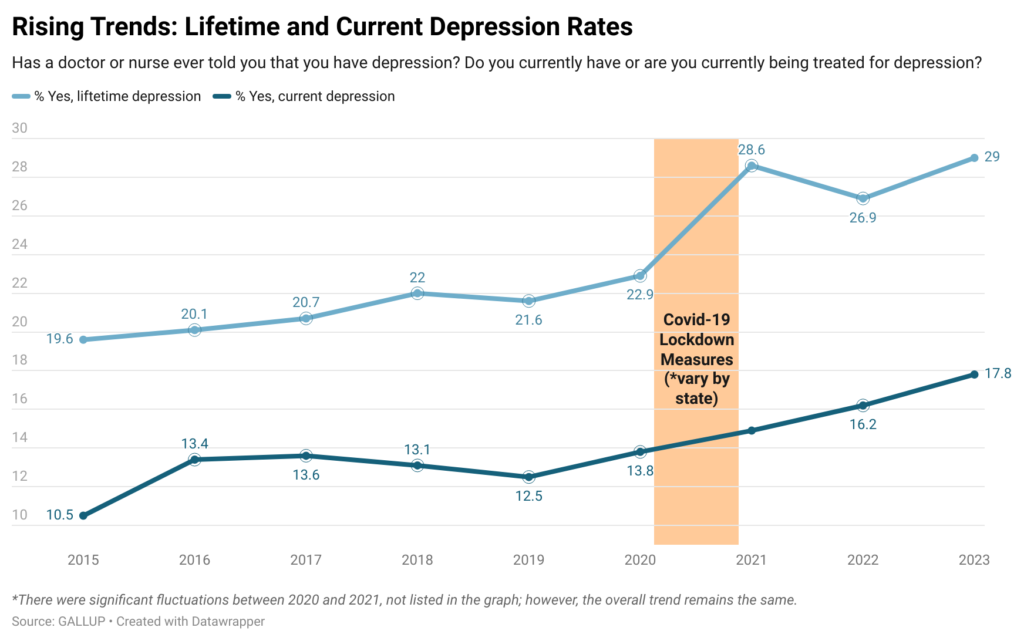
These trends correspond with overarching mental health issues exacerbated by the pandemic. Depression rates increased as people encountered isolation, financial strain, and various upheavals, exacerbating the psychological impact of gun violence on youth. The growing prevalence of anxiety, sadness, and trauma among students affected by mass shootings was apparent prior to the pandemic; nonetheless, the intersection of both crises has exacerbated the issue significantly.
Protecting Future Lives
The increase in gun violence in the United States and resulting psychological, educational, and economic devastation calls for urgent action. The widespread increase of gun violence in the United States, exacerbated by its severe psychological and educational repercussions, necessitates immediate intervention. Gun deaths are the predominant cause of death among children and adolescents, eclipsing vehicular and drug deaths, underscoring the need for reform. Long-term educational losses and rising rates of despair and anxiety highlight the multifaceted toll gun violence has on our society. While families and communities suffer ongoing loss and hopelessness, students exposed to the trauma of school shootings experience interrupted academic development and fewer opportunities for higher education.
It is time to address this crisis with concrete solutions. Nationwide implementation of stricter gun legislation, emulating the accomplishments shown in states such as California, is imperative. Universal background checks, prohibitions on assault weapons, and stringent “red flag” legislation are crucial for preventing firearms from being acquired by inappropriate individuals. Furthermore, continuous investment in mental health services for educational institutions and communities is essential for resolving the psychological trauma resulting from gun violence. We cannot delay action until more catastrophes occur. The information, narratives, and trends articulated necessitate a cohesive and immediate reaction. By emphasizing safety, mental health, and education, we can shield future generations from the destructive cycle of gun violence and provide them the chance to live, learn, and flourish in a more secure environment.
]]>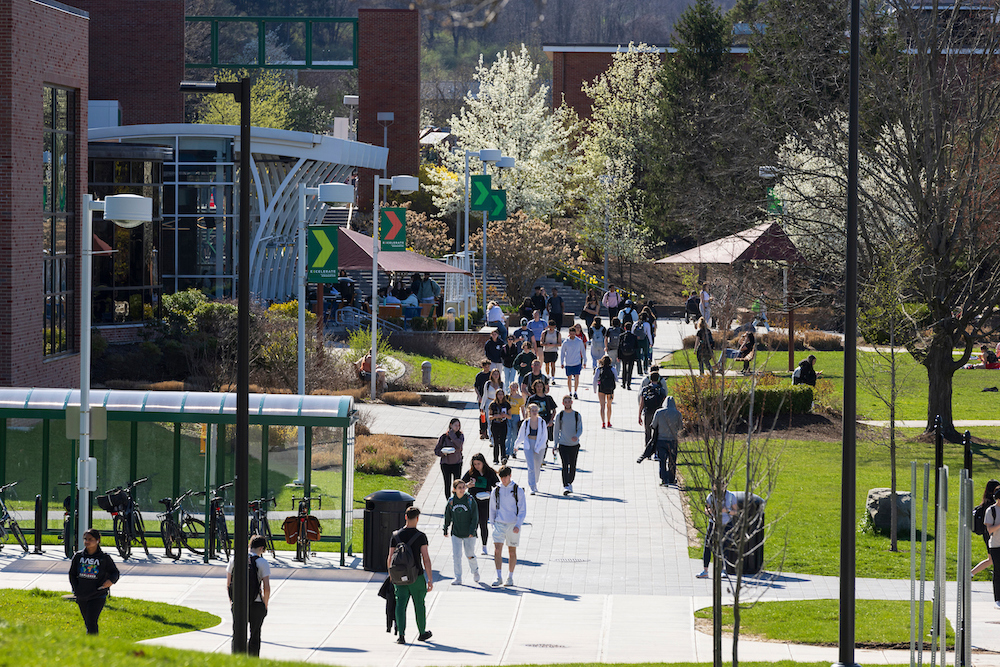
In recent years, Binghamton University (BU) has made large strides in sustainability through energy-saving projects that align with Leadership in Energy and Environmental Design (LEED) and New York State Executive Order 88 standards, even being named one of Princeton Review’s top 50 green schools in 2023. Binghamton’s commitment to sustainability is further bolstered by its dedication to clean energy and sustainability research. To continue being a sustainability leader amongst universities, Binghamton must continue its progress by changing current practices that do not match its commitment to sustainability in other areas.
Following New York State’s executive orders in 2001, BU has incorporated sustainability and energy efficiency into the construction of building designs mainly through lighting and temperature controls. The university monitors energy use and building management with a centralized Energy Management System (EMS). According to the BU’s Office of Sustainability’s website, this system has been in use since 1984 and has grown in sophistication and size. Over 183,000 data points are being observed with the EMS, allowing individuals to control and program each building’s HVAC and lighting systems. The system is used to conserve energy when a building is unoccupied and maintains space temperature, humidity, and ventilation rates that meet sustainability needs. The New York State’s Public Service Commission (PSC) requires BU to reduce energy during load curtailment sessions, such as long breaks, excluding critical research spaces that experience slightly warmer temperatures. Solar panels are also an additional approach that the university takes towards meeting conservation demands. BU’s campus has multiple installations of solar panels across various residential and academic buildings, including the Susquehanna Apartments Community, the Information Technology Complex, and above the pay-by-space meter systems.
In 2013, the New York State Energy Research and Development Authority gave the university a High-Performance Energy Efficiency award for the construction of the Engineering and Science Building. The structure uses geothermal heating and cooling, natural lighting, technology for heat recovery and humidity control, and passive solar energy with a 127-kilowatt installation on the facility’s roof. Its two-story photovoltaic wall contributes to research opportunities on solar technology, which is developed in both the Center for Autonomous Solar Power and the Center for Advanced Microeconomics Manufacturing. The Engineering and Science building was also rated LEED Platinum. In addition to the Engineering and Science building, many other LEED-certified structures on campus have earned sustainability achievements, mainly newer construction and major renovation projects at BU. These buildings have been constructed to LEED silver or higher ranking. The buildings that have earned LEED Silver include the University Downtown Center, Newing College’s Bingham Hall, and the Chenango Collegiate Center. Newing College’s Broome, Endicott, and Delaware halls, Dickinson Community’s Johnson, O’Connor, Rafuse, and Digman halls, as well as the Innovative Technologies Complex’s Center of Excellence are all rated LEED Gold.
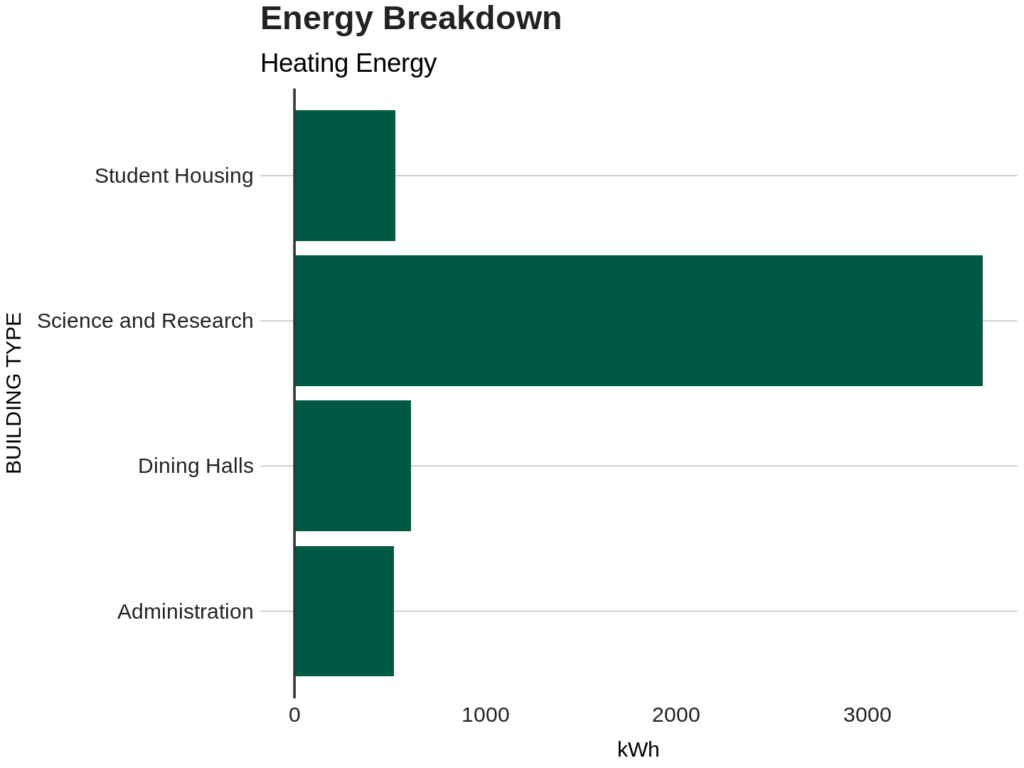
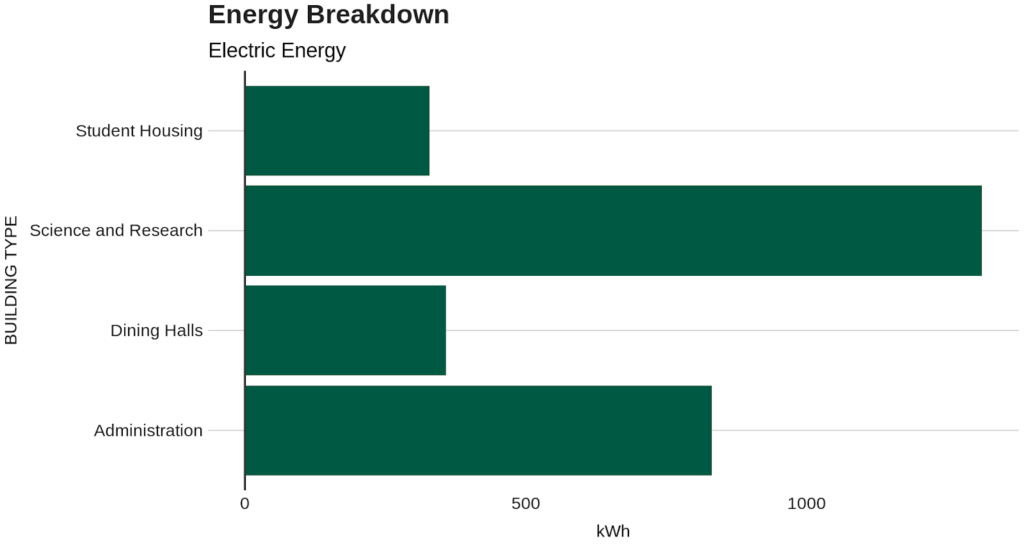
Between 2001 and 2002, the university conducted a campus-wide energy audit which introduced numerous energy-saving opportunities. These projects were implemented in 2003 and used mostly in-house resources. The energy efficiency programs continued until 2006 with BU’s senior administration finding funds that were allocated towards future projects. According to a presentation by Sandy DeJohn, the assistant director for utilities and mechanical systems, over $10 million has been invested with over $15 million in savings. When Executive Order 88 was issued by Governor Cuomo, BU set a goal to focus on reducing Source Energy Use Intensity (EUI) which is the amount of raw fuel used to generate electricity or heat consumed by end users. The current strategy for heating includes the installation of high-efficiency gas boilers to decentralize portions of the heating load. The university plans on gradually transitioning from fossil fuel-based heating to high efficiency electric-based heating.
Binghamton University has also invested heavily in sustainability research in hopes of becoming a global leader in sustainability. Notably, the Transdisciplinary Area of Excellence (TAE) in Smart Energy supports extensive research in solar and thermoelectric energy, as well as improvements in energy efficiency, storage, and management. The TAE also works on projects going beyond energy research, looking into supporting sustainable communities from many perspectives with the overall goal of educating the next generation in the practices and skills needed to foster sustainable communities. For example, the TAE sponsors projects focusing on ecosystem and forest sustainability as well as projects focusing on the sustainability of local communities through a social and economic lens. The TAE has proposed using $110 million worth of grants to build a battery technology and manufacturing center in Endicott, NY, supporting sustainable practices and economic growth in the area. Binghamton University was also awarded a Seed Grant for the 2023-2024 school year which will “stimulate the advancement of new ideas that can build Binghamton University’s expertise toward a national reputation in the broad area of sustainable communities” through research funding. The University has also dedicated a facility to research of the lithium-ion battery, a form sustainable energy used in modern electronics, developed in part through research by BU Professor Stanley Whittingham. These efforts lead to BU being ranked #1 Top Performer in Sustainability Research by the Association for the Advancement of Sustainability in Higher Education (AASHE) in 2020. Research efforts sponsored by the University not only support a cleaner campus, but also sustainable changes in a larger, global scientific community.
It is the responsibility of higher education institutions to promote and invest in sustainable practices not only for accolades and prestige but also to create a better future for generations beyond.
Beyond research and building construction, the University’s sustainability practices can best be analyzed by its greenhouse gas (GHG) emissions and energy use efficiency. GHG emissions are summarized in three scopes: scope 1 is defined by direct emissions from sources owned by an entity, scope 2 includes indirect emissions such as from purchased heat, electricity, and cooling, and scope 3 includes all other emissions. In 2023, Binghamton University had a total of 37,560 metric tons of CO2 emissions- 19,865.58 metric tons from scope 1, 7,624.40 from scope 2, and 10,071 from scope 3. For reference, the average carbon emissions of households in major cities in the United States range from about 17 metric tons to 29 metric tons per year. The average carbon emissions of households across the United States is about 7 metric tons per year. Assuming a small city has somewhere around 5000 households, a small city would produce around 35000 metric tons of CO2. Considering these values, Binghamton University produces the same amount of carbon as about 5,366 US households, about the size of a small city. These values are on par with what is expected considering the student population as well as the number of buildings and facilities making up the university.
In 2010, the average carbon emissions for institutions of higher education in the US was 52,434 metric tons. Furthermore, between 2013 and 2020, many major institutions, including Cornell University and the University of California, Los Angeles (UCLA), saw increases in carbon emissions of upwards of 24,000 metric tons. So, even though the average carbon emissions of higher education institutions have increased since 2010, Binghamton University remains below the average of the past. In March 2023, Binghamton University earned a gold rating from the Sustainability Tracking, Assessment & Rating System (STARS) which lasts until April 2026. STARS is “a transparent, self-reporting framework for colleges and universities to measure their sustainability performance.” This rating encompasses several categories, the broadest of which include academics, engagement, planning and administration, as well as innovation and leadership. Within these categories, universities also report research efforts, water and energy use, waste production, food and dining, purchasing and investment, and transportation. Out of 360 schools with reports, 175 earned gold rankings (49%). In comparison, Binghamton University ranks equal to or better than many other mid-sized universities. The University of Vermont and the University at Albany (UAlbany) are examples of other mid-size universities with gold rankings. The University of Vermont had an annual total of 40,786 metric tons of CO2 in 2023 while University at Albany had a total of 50,579 metric tons of CO2 emissions. Schools with similar populations that earned lower rankings include Ohio University (in 2021, 130,845 metric tons of CO2 emitted) and Syracuse University (in 2022, 58,310 metric tons of CO2 emitted) which earned silver rankings. Further, the University of New Hampshire, another mid-size university, emitted a total of 81,197 metric tons of CO2 and earned a platinum rating, demonstrating how the rankings depend on more than emissions alone.
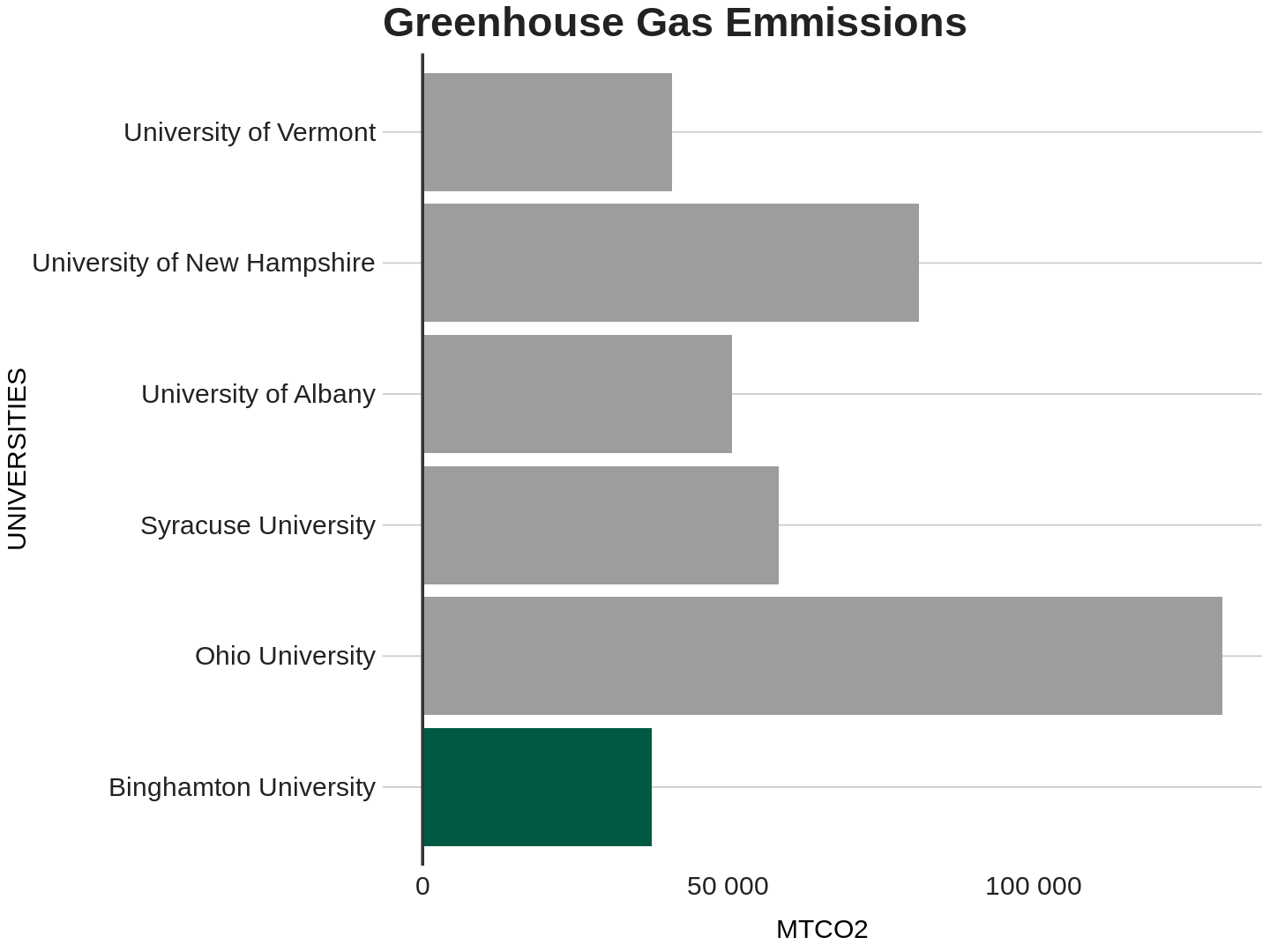
Based on the above values, Binghamton University has relatively low carbon emissions, meaning an improved sustainability ranking must come from other areas. There are a few notable areas where Binghamton University earned low STARS scores: clean and renewable energy (scored 0.05/4.00), food and beverage purchasing (scored 0.92/6.00), and building operations and maintenance (scored 2.00/5.00). The clean and renewable energy STARS category focuses on the percentage of total energy consumption that comes from renewable sources. Out of 574,432 MMBtu (metric million British thermal units) consumed by BU in 2023, only 432 MMBtu (less than one-tenth of a percent) came from clean and renewable energy sources. Considering this is one of the lowest STARS scores Binghamton earned, the university’s sustainability efforts would greatly be improved by adding new clean and renewable energy infrastructure. The food and beverage purchasing category primarily assesses the percentage and inventory of sustainably and ethically produced foods and plant-based foods purchased. Zero percent of food and beverage purchased by BU in 2023 was sustainably or ethically sourced and only about 30 percent was plant-based. BU has a $10 million or more budget for dining services and its sustainability rating would increase by investing more of this budget in more sustainable food purchasing. Finally, the building operations and maintenance category takes into account the total square footage of the building area and the total area of buildings that have earned sustainable operations and management certifications. Binghamton University does not have any of these certifications but was awarded credit for other sustainable management practices such as a green cleaning program reducing the use of toxic chemicals and a water use management program aiming to limit water use on campus. These lower-scoring categories are ideal places for Binghamton University to focus on improving sustainability.
Binghamton University has an overall sustainability ranking that is better than about 50% of other schools in the STARS system and has been awarded many accolades for leading sustainability research, but it is still important for the university to initiate changes to become more sustainable because universities are key players for leading clean energy initiatives. Higher education institutions are places of innovation and invention, and a commitment to clean energy practices and education instills sustainability values into the next generation of educators, researchers, and leaders. Because colleges and universities manage small areas of land themselves through independent governments, making these changes is fast and effective. For example, Georgetown University was able to convert its campus to 100% renewable energy six years ahead of its predicted date, demonstrating how a targeted effort can produce quick, lasting results. It is the responsibility of higher education institutions to promote and invest in sustainable practices not only for accolades and prestige but also to create a better future for generations beyond.
When it comes to sustainable energy management, the university does a great deal to ensure trends like energy efficiency and water usage are examined and supervised to meet the needs of the state. By committing to enhance sustainability practices, BU leads by example amongst other institutions, highlighting the importance of having environmentally safe practices and policies. With its achievements and recognition, the university addresses critical areas for improvement across a growing campus. DeJohn shared that the cleanest energy is the energy not used. The presentation emphasized that turning off electronics and appliances used by 18,000 students and 2,300 faculty and staff could lower 3-5% of the campus’ electricity consumption, exercising the importance of clean energy. It continued to state that the university’s efforts need to focus on locally available resources and clean or renewable heating fuels. These efforts would ensure Binghamton will continue to keep its commitment to sustainability and help improve lacking areas. Binghamton University’s significant strides towards an ecologically sound campus is one to take note of and the university’s progress towards reducing energy consumption can be seen through their research initiatives, building management, and energy efficiency projects. Increased efforts in areas such as food and energy purchasing will solidify Binghamton University as the leader in sustainability it strives to be.
]]>
October 25, 2024
As most people reading this may know, hurricanes Helene and Milton devastated the southeastern United States, especially south and central Florida in Fall 2024, causing over a whopping $53 billion (cr. Al Jazeera) and $21-$34 billion respectively (cr. CoreLogic). They leveled thousands of buildings and homes, flooded streets and caused the deaths of hundreds of people. These natural disasters ultimately devastated the lives of thousands of southeastern Americans last month.
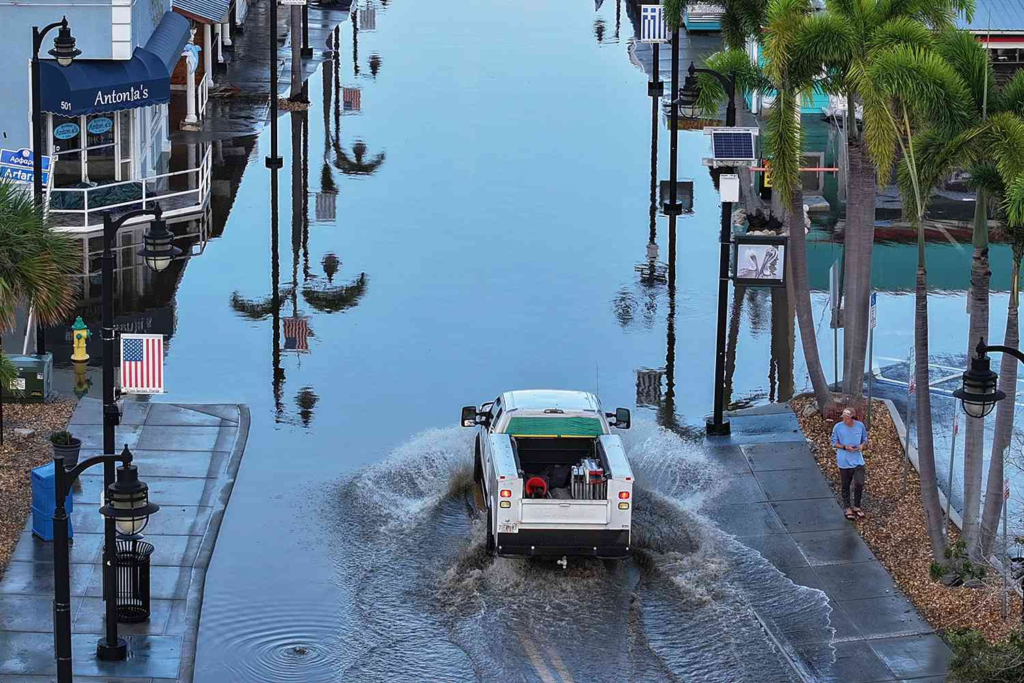
Flooded streets of Tarpon, FL after Hurricane Helene hit. Photo: Joe Raedle/Getty
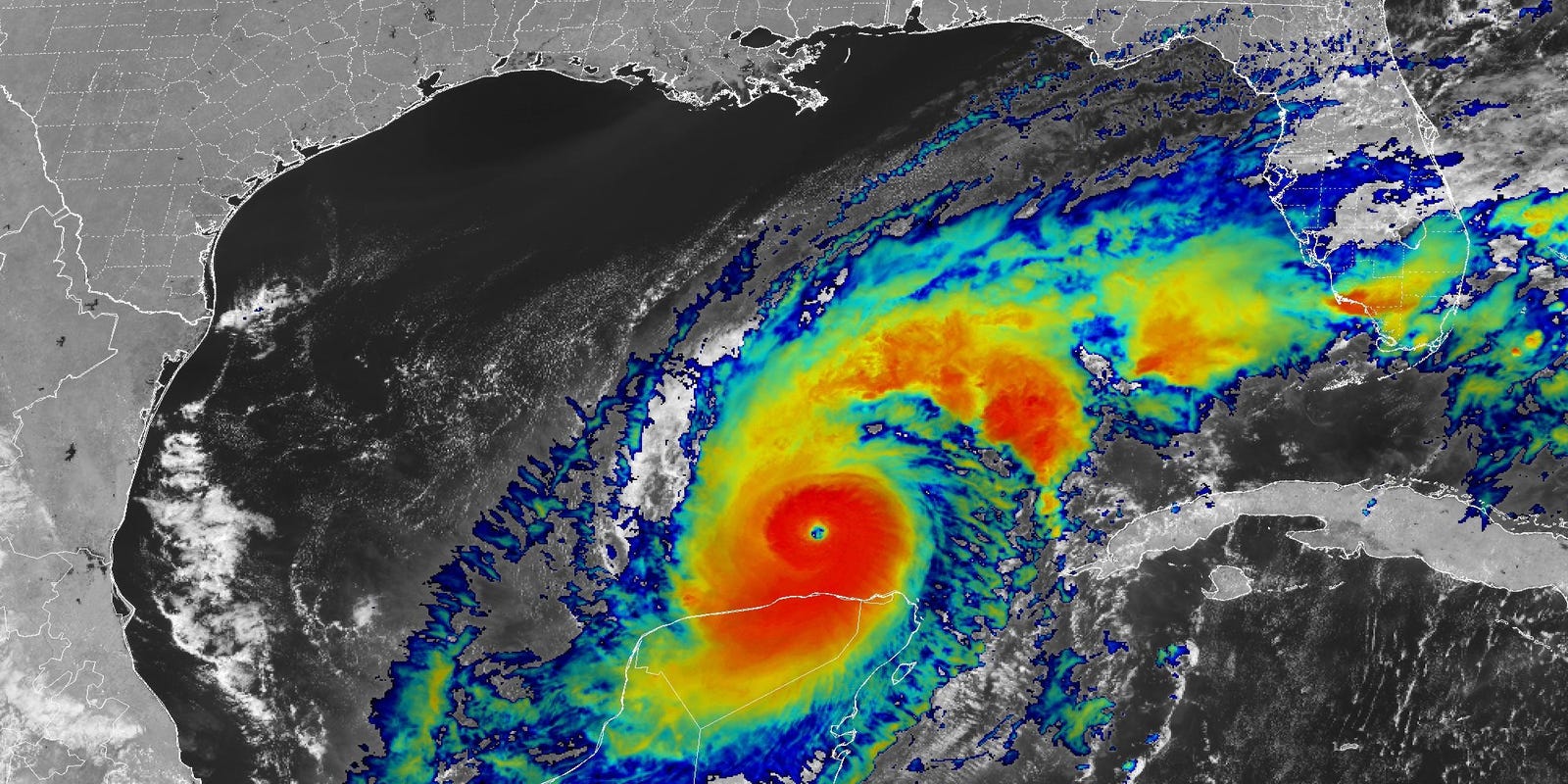
Map of Hurricane Milton, courtesy of Sarasota Harold Tribune
Hurricanes have devastated the southeastern region of the United States for decades. More recently. Hurricanes have picked up in frequency at an alarming rate. In the past few weeks, two major hurricanes, Hurricane Milton and Hurricane Helene made landfall in the southeast as category 4 and category 3 storms, respectively. A new hurricane, Nadine, is expected to make landfall within the coming days as well. Hurricane Nadine would be the 10th hurricane of the 2024 Atlantic season.
A hurricane is defined as “a tropical cyclone with winds of 74 miles (119 kilometers) per hour or greater that is usually accompanied by rain, thunder, and lightning, and that sometimes moves into temperate latitudes.” Hurricanes have caused over $1.3 trillion in damages since 1980, and have also been the most frequent natural disaster in the United States since 2000. They are especially prevalent and dangerous in Florida, which is why Florida holds the title of “the hurricane capital of the United States.”
There is one suspect, climate change. Hurricanes have greatly increased in strength over the years, and climate change can be blamed. Hurricanes form from the ocean surface as warm, moist air rises and causes winds to start spinning. The greater the temperature, the greater the energy the winds can gather. With climate change bringing increased temperatures, hurricanes are able to grow in strength as more energy is gathered from the hotter waters. Warmer temperatures also allow the atmosphere to hold more moisture, which leads to greater rainfall and greater flooding. The warmer temperatures additionally cause glaciers and ice sheets to melt, rising sea levels. These rising sea levels contribute to greater storm surges and catastrophic coastal flooding, on top of higher wind speeds, creating hurricanes capable of much greater damage.
Housing insurance is one big issue arising from increasing hurricane frequency and strength. October’s Hurricane Milton alone cost insurers from $30-$50 million in losses. Hurricane Ian in 2022 cost insurers $60 billion in insured losses. These huge numbers have left insurance companies to be more wary. Many have changed their policies including Progressive, which stated they will not renew current insurance policies. Citizens Property Insurance Corporation, a state-backed non-profit company, has had to step up as the new largest insurance provider in the state. It was supposed to be the last-resort option, however due to large companies backing out of Florida and changing their policies to make getting housing insurance harder, Citizens Property Insurance Corporation has become the only option for many. Last month, there were 1.3 policies in motion, which is three times the amount it was five years ago. However, even Citizens has exceptions: individuals can only qualify if “the lowest quote they get from a private insurer is more than 20% greater than the Citizens’ quote” and their home is valued under $700,000. Citizens cannot sustain themselves even with these exceptions due to the influx of customers, and they are one storm away from not being able to pay back the losses. Moreover, even those who have insurance are facing complications and confusion, as those with home insurance are getting their insurance claims denied if they do not also have flood insurance.
Total losses from hurricanes have topped the charts as the highest damage weather disaster since 1980. On average, each hurricane brings $22.8 billion in losses. Not only do hurricanes bring damage costs, but they bring additional costs such as medical expenses, evacuation costs, and income losses. Hurricane Michael devastated Florida’s panhandle in 2018, especially Bay county. 22,000 people lost their homes and a year after the storm, 5,000 people were still without a home. Evacuation costs have increased to a range stemming from $1,500 to $3,000. This includes gas, hotels, and so many more associated costs which have people even in mandatory evacuation zones staying in their homes to avoid these costs. People may also stay in their homes if they choose to believe climate change is not as real as scientists claim it to be, however the increasing severity of storms says otherwise. Choosing to stay has many costs as well, as homeowners have to buy hurricane shutters, flashlights, water, and canned food in preparation for potential power outages lasting days to weeks.
This all being said, it is important for homeowners to understand the risks of living in Florida. It will come with increased costs for storm preparation including hurricane shutters and evacuation costs. Most importantly comes the risk of losing your home, either due to flooding or high winds. High winds can also bring tornadoes, as seen recently with tornadoes brought upon by hurricane Milton. These natural disasters are picking up in power and it is important to be aware of the risks when assessing future moves or current housing situations
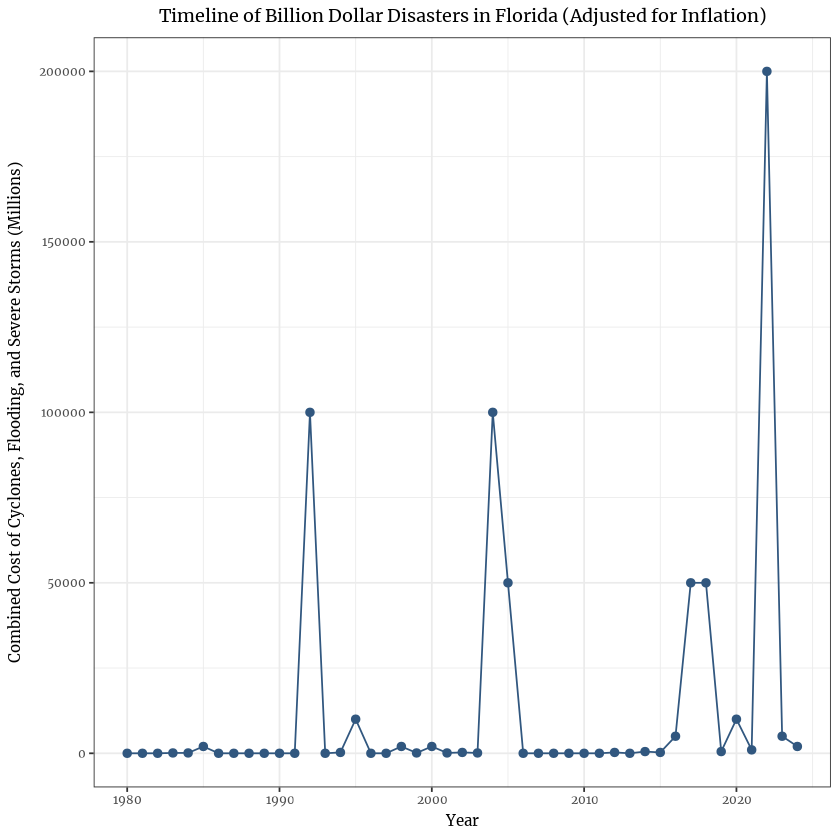
Figure 1. The all time high (inflation-adjusted) tropical storm damage cost was in 2021, totaling at a shocking $200,000 million.
Every August through October, the southeastern United States prepares for hurricane season by raiding grocery stores, buying generators, and boarding windows. This year, these preparations would not have been enough to survive. Nowadays, fleeing, evacuating, and moving out of storm zones are the only guaranteed survival methods.
Hurricanes, the most destructive type of tropical cyclones, have not been an unknown danger to the Gulf Coast. The coastal waters of Florida are the most susceptible to floods, high winds, and power outages related to tropical cyclones. This has all been a known fact. The most infamous hurricane for displacing and destroying the Gulf Coast region was Hurricane Katrina in 2005. Effects were felt all along the East Coast towards the New York area. Isn’t it a little concerning that the multiple hurricanes of 2024 have been comparable to the rare and destructive occurrence of Katrina? There must be an underlying issue at hand.
Climate change is an impending crisis that many people shrug off because it’s “not real”, which is scientifically untrue. Man-made activities are the main cause of long-term changes in weather patterns. The sea level has risen about eight inches from the 19th century, the highest global surface air temperature has increased nearly three degrees from the mid-20th century, and ocean temperatures are rising. These seemingly insignificant changes have led to mass destruction with the formation of hurricanes. Hurricanes thrive off of warm tropical waters, gaining strength and intensity rapidly. Climate change’s warm oceans and humid air is a hurricane’s specialty, but a recipe for disaster for Americans.
Hurricane Helene and Hurricane Milton were two of the most intensified tropical cyclones of 2024. For instance, Hurricane Milton’s wind speed surpassed meteorologists’ standard measures of hurricane winds. Not to mention, the southeastern United States was just battered by Hurricane Helene shortly before Milton’s appearance. Soaring death rates were inevitable. The abnormally warm waters in the Gulf of Mexico cause this rapid intensification, fueling the movement of a tropical cyclone through the southeastern United States. Faster and stronger storm formations give communities less time to prepare or flee in a sudden life-or-death situation.
Climate change does not necessarily increase the frequency of tropical cyclones. However, each hurricane season the storms that are projected to be “small” are quickly aligning with the characteristics of massive storms. Communities that are unprepared for these life-threatening storm surges are left victim to mass destruction. A direct correlation to climate change is the death toll of these massive storms. Being unprepared and unaware of a hurricane’s strength will lead to injury and death.
Northern Florida communities were left in a dire situation after Helene and Milton. Inland communities were subjected to the landslides, flooding, and harsh winds that the coastal communities are usually prepared for. Tornadoes have been forming on the outer bands of cyclones more frequently, an issue that generally doesn’t persist outside of the “Tornado Valley” region. The power of the storm surge has also been unfathomable as of recently. Most of the recent hurricane-related deaths are from drowning, as homes and cars are taken adrift in fast and deep waters.
Hurricane-related deaths increase even after a hurricane has left a community in shambles. The clean-up and recovery process puts first responders and the stranded in a life-threatening situation. Strong winds leave live wires in the flood, where electrocution is imminent if one’s not careful. These recently “supercharged” storms have drawn out the excessive clean-up process, posing more threats to the lives of a community. Rapidly intensified cyclones leave southeast states in ruins long after a storm has done its job.
This leaves an obvious question unanswered, “Why don’t communities just evacuate the storm-infected areas?” Many factors come into play in this situation, such as expenses, locations, and personal items. However, ignorance of climate change can constitute one’s hesitation to flee. In a conservative South, the conversation about climate change is minimal. Many individuals ignore the advice of proficient meteorologists, riding out monstrous storms that project low survival rates in certain areas.
Ignorance factors into the increasing death tolls of hurricanes rummaging through the south. Although residing in Florida means generally warmer weather year-round, being unaware of the risks of inhabiting such a targeted area is dangerous. Newcomers will be less prepared than the Florida veterans who truly understand what hurricane season entails.
The newfound factors that need to be considered each hurricane season pose a substantial risk to individuals’ lives. As climate change persists, hurricane-related issues will only increase in severity and scope.
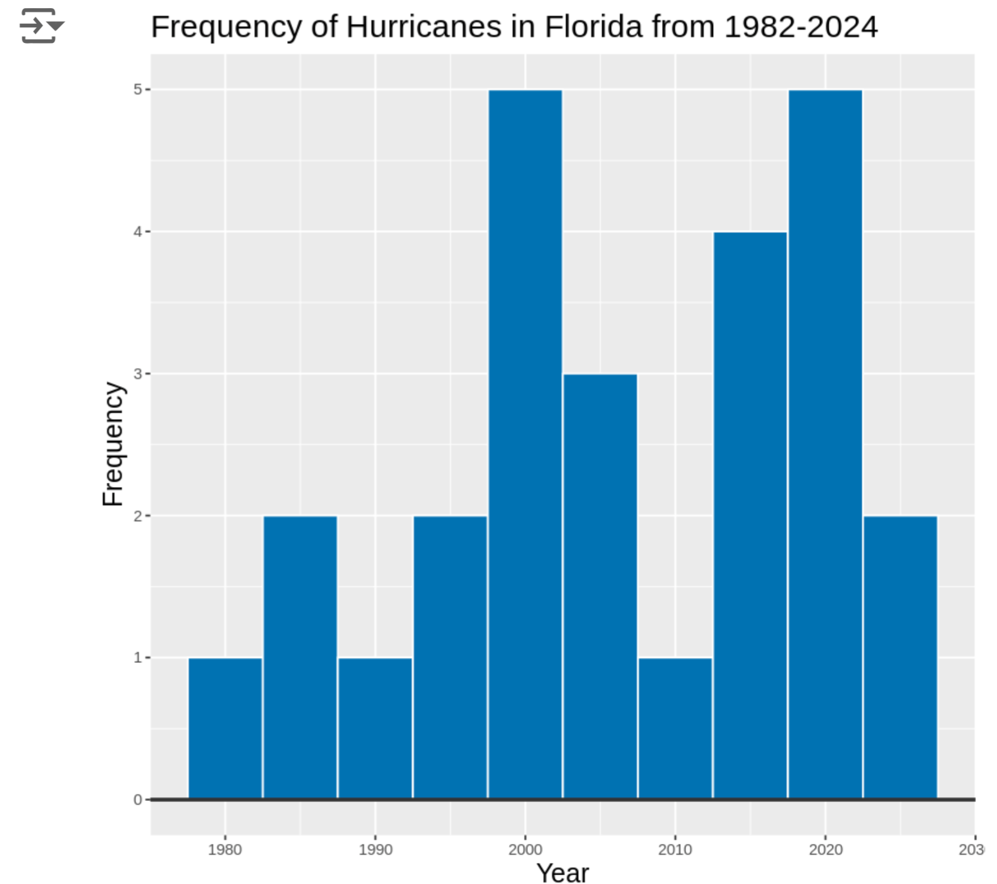
Figure 2. Hurricanes hit Florida the most frequently around the years 2005 and 2022, and the least frequently around 1980, 1990, and 2010.
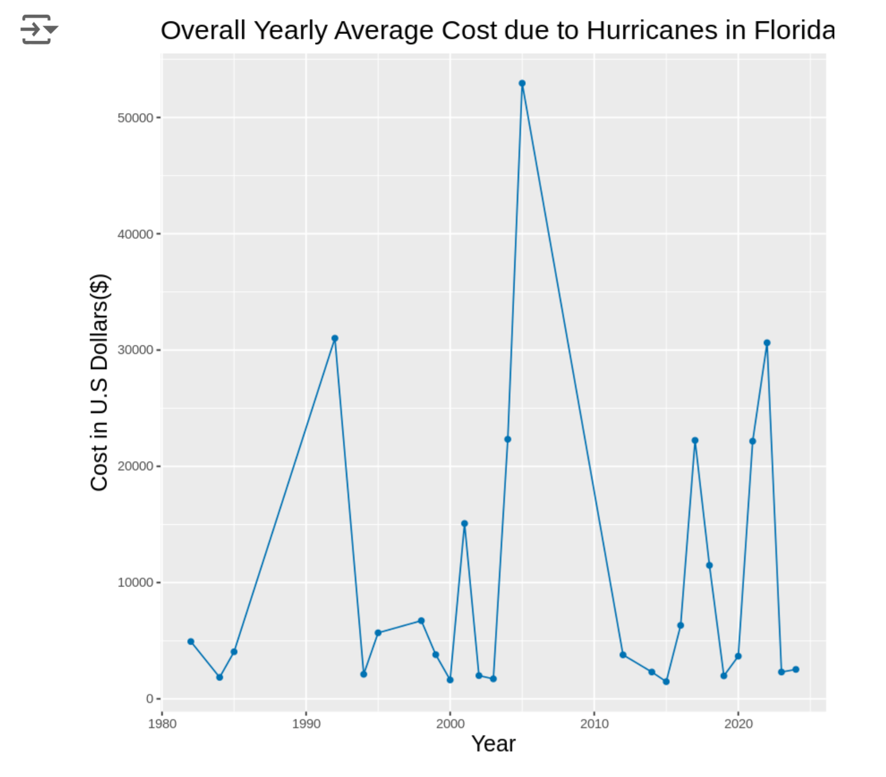
Figure 3. The damage cost spiked in 1990, the highest yearly cost until 2005, whose cost totaled to over $50,000 US dollars. The lowest cost was in the year 2000, totaling to around $2,500.
Data charts by Grace McKissock and Amelia Oakley
Articles written by Nicole Diaczun and Erica Kerman
Data visualization powered by Google Colab using R language.
Edited by Humza Chaudhri
Works Cited:
- “Hurricane.” Merriam-Webster.com Dictionary, Merriam-Webster, Inc., www.merriam-webster.com/dictionary/hurricane. Accessed 27 Oct. 2024.
- Bowers, John. “Hurricane Milton, Helene Insurance Nightmares Torment Florida Residents.” NBC News, 12 Oct. 2024, www.nbcnews.com/business/consumer/hurricane-milton-helene-insurance-nightmares-torment-florida-residents-rcna175088. Accessed 27 Oct. 2024.
- Rojas, J. “Citizens Insurance Faces Pressure After Hurricane Milton.” CNN, 11 Oct. 2024, www.cnn.com/2024/10/11/business/citizens-insurance-hurricane-milton/index.html. Accessed 27 Oct. 2024.
- “Hurricane Costs.” National Oceanic and Atmospheric Administration, NOAA, coast.noaa.gov/states/fast-facts/hurricane-costs.html. Accessed 27 Oct. 2024.
- Gonzalez, Enrique, et al. “Hurricane Michael: The Challenge of Financial Recovery from Disasters.” Wharton School, University of Pennsylvania, July 2023, esg.wharton.upenn.edu/wp-content/uploads/2023/07/Hurricane-Michael-The-Challenge-of-Financial-Recovery-from-Disasters.pdf. Accessed 27 Oct. 2024.
- Li, Jane. “Hurricane Milton Could Cause $50 Billion in Losses, Fitch Says.” Business Insider, 11 Oct. 2024, www.businessinsider.com/hurricane-milton-insurance-fitch-50-billion-losses-2024-10. Accessed 27 Oct. 2024.
- McCarthy, Niall. “Are Major Natural Disasters Increasing?” Statista, 15 Jan. 2024, www.statista.com/study/95060/natural-disasters-overview/. Accessed 27 Oct. 2024.
- “How Much Damage Have Natural Disasters Been Causing?” World Economic Forum, 20 Sept. 2024, www.weforum.org/agenda/2024/09/natural-disasters-damage-statistics/. Accessed 27 Oct. 2024.
- Kauffman, Katie. “Milton Is the Hurricane That Scientists Were Dreading.” The Atlantic, 12 Oct. 2024, www.theatlantic.com/science/archive/2024/10/hurricane-milton-scientists-worry/673282/. Accessed 27 Oct. 2024.
- “Natural Disasters Stats.” Specialty Fuel Services, 2024, www.specialtyfuels.com/natural-disaster-statistics. Accessed 27 Oct. 2024.
- Baird, Michael. “Another Major Hurricane Is Approaching Florida, One of the Most Rapidly Intensifying on Record.” The Verge, 10 Oct. 2024, www.theverge.com/2024/10/10/hurricane-florida-approaching. Accessed 27 Oct. 2024.
- “Climate Change Is Affecting Hurricanes.” National Oceanic and Atmospheric Administration, 2024, www.noaa.gov/climate-change/hurricanes. Accessed 27 Oct. 2024.
- Wooten, David. “Tropical Storm Helene Death Toll, Missing People in Western NC.” Raleigh News & Observer, 13 Oct. 2024, www.newsobserver.com/news/weather-news/article274221265.html. Accessed 27 Oct. 2024.
Almost 50 years ago, Nicole Cook’s stepfather built their family house in Mariposa County, proud of his work as it was built with square domes. It was a six bedroom house with a kitchen in one dome and the bedrooms in another, which Cook’s stepfather was proud of because the house “wasn’t a square box.” However, on July 22, 2022 the Oak Fire was sparked, a tragic wildfire that would grow to be California’s largest fire. The Oak Fire burned around 20,000 acres of land and destroyed an estimated 127 homes. One of them was Cook’s hand-built pride and joy.
So far in 2024, 7,026 wildfires burned 1,013,960 acres of California land according to the California Department of Forestry and Fire Protection. While that is only 1% of California’s size, there is a continual increase in the number of wildfires and irreparable damage that is being done.
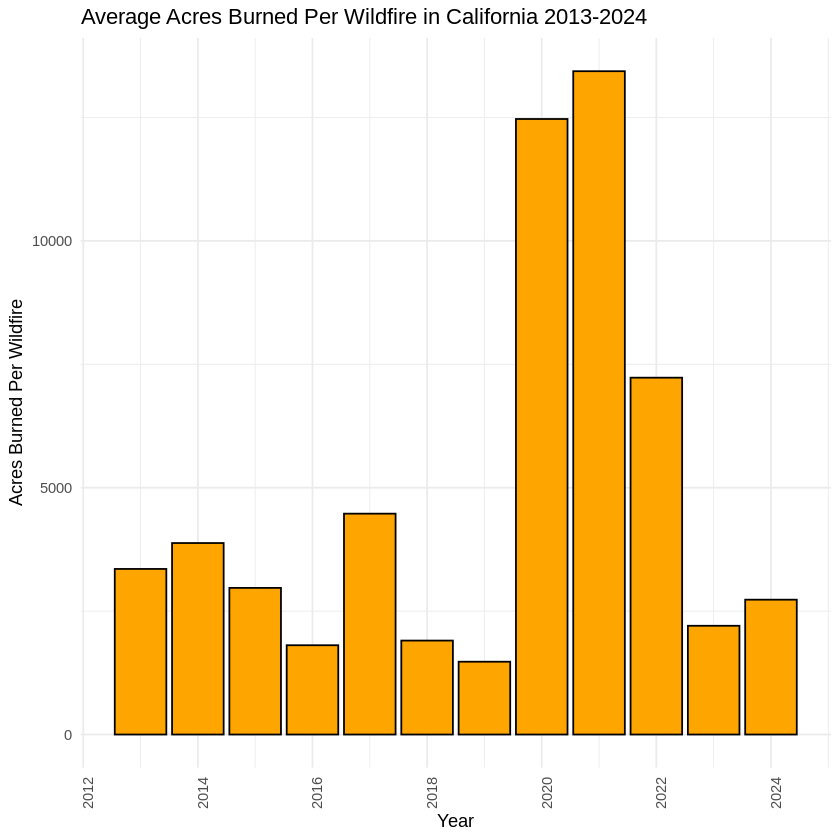
The main cause is climate change where there are periods of high temperatures and drought during El Nino and La Nina years that provide the perfect conditions for wildfires to start and spread. The vegetation is more easily ignited during June and fire spreads more rapidly during July to September. Those conditions combined with the poor water infrastructure of California, lead to fires not being contained/put out as quickly or effectively, thereby causing more damage.
There are many families and communities that are suffering in the aftermath of wildfires. Let’s take a look at the situation the people of Mariposa have found themselves in, including the aforementioned Cook family.
The Cook family and the majority of Mariposa County residents are examples of “climate migrants,”a position of struggle that displaces and sometimes even separates families. Following the Oak Fire, Cook’s parents left their pile of ashes to move to Bass Lake, while the siblings were separated and staying with family. The PBS report states that Cook “isn’t sure what her parents will do next,” and that the residents are having trouble finding places to rent. Cook even stated “What is there going to be in place for [the impacted]? Because I know for a fact that my parents aren’t the only ones in this situation.”
The people of Mariposa, as well as other communities who were displaced by wildfires, face a pressing question: what should we do next? PBS cites researchers who have coined the term “climate migrants” to refer to these people displaced by the record breaking wildfires that predominantly swept California and the West.
While fire departments have done what they can, citizens are largely left to go through what they can salvage from the destruction the Oak Fire left behind. The Cook family lost important paperwork in the fire, and did not have time to rescue their two cats, who have not been found.
A major issue that climate migrants are facing is housing instability due to natural disasters like wildfires. In the last few years devastating fires have destroyed thousands of structures and burned millions of acres in California, with just over 31,000 homes lost since 2017.
On top of this, Anne Junod of the Urban Institute’s Metropolitan Housing and Communities Policy Center goes further into the impact of wildfires on families like the Cooks, explaining how there are psychological factors that stay with a person who had such great losses, which can add up financially and emotionally long term.
They are one of the many families that lost their homes to wildfires and there will be many more stories like that. According to pbs, “It’s expected that the wildfire risk across the country and much of the West will grow to threaten roughly 79.8 million homes by 2050.”
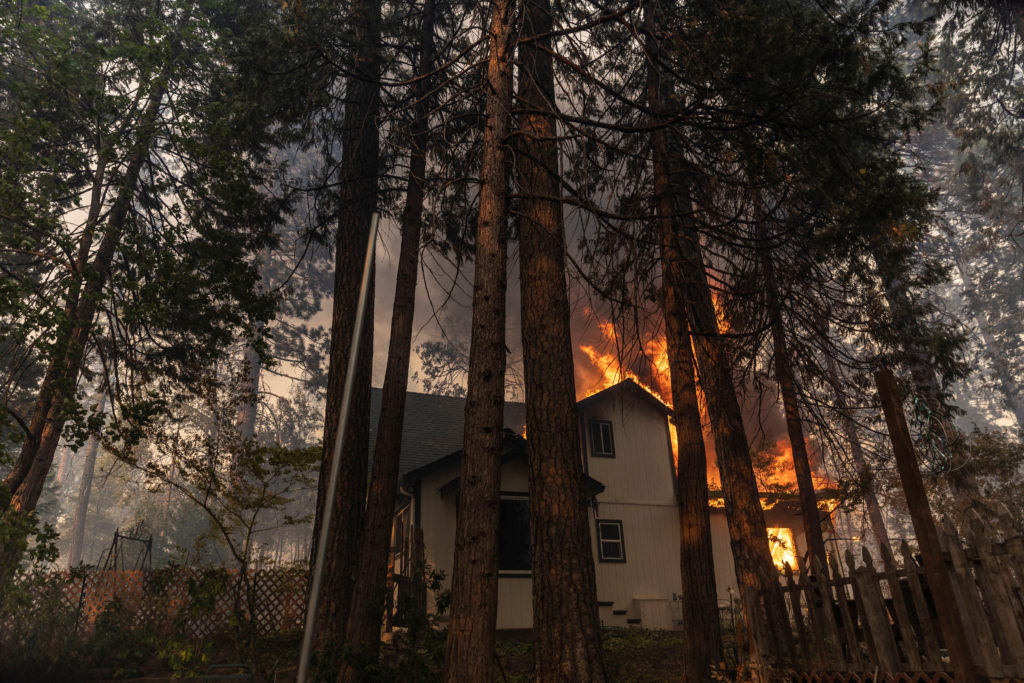
The Cooks didn’t have it so bad at least compared to the Diaz- Hunter family who lost much more. They had 1600 acres of land, a home with three rentals, a trail ride business, and all their equipment. These all burned down due to the Oak fire and they have to start anew. They started a GoFundMe to help cover quarter of a million dollars in equipment, rebuilding and rental expenses, and they raised $1,780. The amount they are asking for is large, but it is just one out of 130 families affected, and only one fire out of the 7,477 that happened in 2022.
As you can see there are large fiscal impacts of wildfire. From 2017 to 2021, the Gordon and Betty Moore Foundation estimates that average annual losses totaled over $117.4 billion. The numbers include property damage, labor market disruptions and losses of life. But they also say that if response times were reduced, the fires could be contained 15 minutes faster, they could generate $150 to $350 million in fiscal benefits, which is only 3-7% but still a large amount of money. Firefighters can only get to a fire so fast but they have methods like rapid deployment and improved coordination between all fire response agencies because every minute counts. But instead of just focusing on reducing response times, there is a focus to reduce the number of fires in the first place. But there is a surprising cause of 10% to 15% of them.

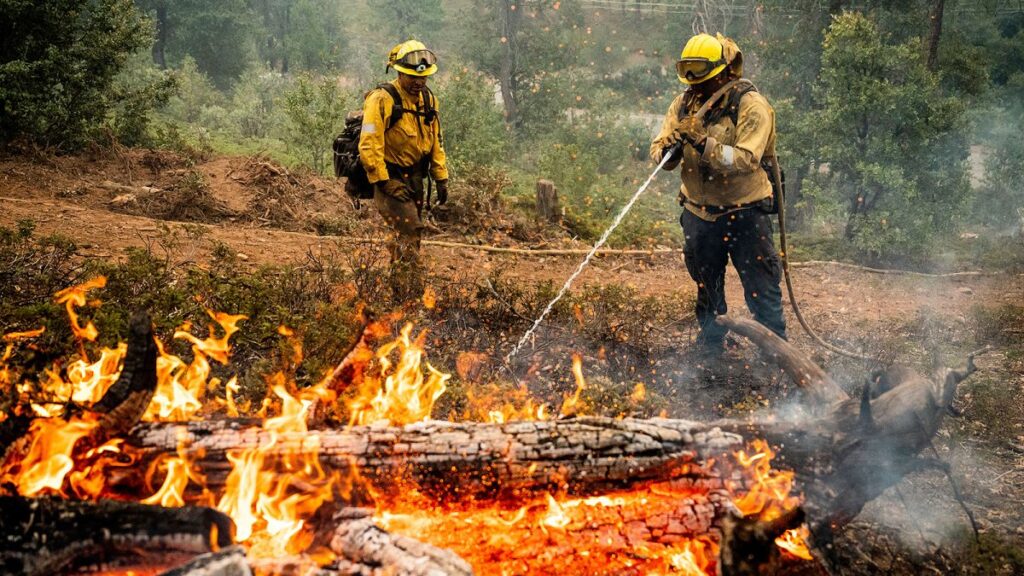
Edward Frederick Wackerman was the man responsible for the Oak Fire that destroyed the Cooks and 126 other family homes. He was arrested last year and placed in Mariposa County jail for aggravated arson and arson that caused great bodily injury. Although there were five major wildfires that swept California in the summer of 2022, none were as destructive as the Oak Fire, which wreaked havoc during late July to early August. Historically hot and arid conditions in California provided ample conditions for the fire to take off, however sheriffs and law enforcement chose to decline answering how and why Wackerman started the blaze. The fire was finally contained on August 5th, with over 2,000 firemen working on diminishing it. According to NBC, about 10% to 15% of California’s wildfires are ignited by arson each year and this year; nearly half of the 1 million acres burned in the state were because of arsonists like Wackerman. Other names are Ronnie Dean Stout II: 430,000 acres, Spencer Grant Anderson: 3,789 acres, and Justin Wayne Halstenberg: 39,000 acres.
There are legal consequences for arson, but it is hard to prosecute, especially during hot dry seasons. It is hard to find evidence when most of it is burned away but sometimes arsonists leave evidence or signs behind. But something to consider is: Is time in prison enough punishment for causing the loss of thousands to hundreds of thousands of acres of land, hundreds of homes, and millions of dollars in damages?
Of course there are wildfires that are caused by other human activities that aren’t harshly punished. Simple activities like mowing the lawn or tossing a cigarette are the reason why people are responsible for 95% of California’s wildfires. One famous example is the 2018 Mendocino Complex fire that was caused by sparks from a hammer. The Mendocino Complex Fire, composed of two separate fire incidents being the Ranch Fire and River Fire, destroyed hundreds of thousands acres of land and hundreds of structures, devastating the Mendocino and Lake Counties in California. It has been found that the Ranch Fire was caused by a spark from a hammer being used to drive a metal stake into the ground by a property owner. The spark grew out of control, and the owner, despite multiple attempts and ways of trying to extinguish the flame, was unsuccessful in stopping it. Conditions like dry vegetation, wind, and heat in California allowed the fire to spread rapidly. As the Ranch fire tore through Mendocino County, firefighters were wounded and there was one fatality amongst them. Overall, the numbers from the Mendocino Complex Fire are alarming and highlight the detrimental effects of wildfires. 459,123 acres were burned, 280 structures were destroyed, and the fire was active for 160 days, to name a few. 7 out of 10 of the largest California wildfires have occurred in the past five years, which speaks to their severity.
There are many actions being taken by the government to prevent these wildfires like prescribed fires, vegetation management, and educating the public. But there is only so much they can do to prevent it. They can’t control climate change, the weather conditions, or the many serial arsonists they have. But for the people living in places at wildfire risk can take precautions to prevent their home from burning in the next Oak Fire. Some actions include: building with fire-resistant materials, creating a defensible space (space between vegetation and their property), looking into controlled burns, and more.
]]>Climate Crisis Impacts
As destruction tears through the Eastern coast of the United States, the harm is far more than people realize. The most recent natural disaster, Hurricane Milton, has left cities and towns in ruin; although, after Hurricane Helene, there was not much left to destroy.
Throughout the last decade, the climate crisis has continued to escalate with hopes of communicating the urgency and drastic measures that must be taken in order to stop the increasing effect of climate change and greenhouse gas emissions on our planet. Humans contribute greatly to the emission of greenhouse gasses into our atmosphere through the continuous burning of fossil fuels, deforestation, industrial manufacturing, and agricultural processes that increase the release of greenhouse gasses, otherwise known as “heat-trapping” gasses that is a direct result of human activities (NCA).
Atmospheric temperatures are rising in tandem with ocean temperatures as oceans absorb increased amounts of heat that raise the sea surface temperature.
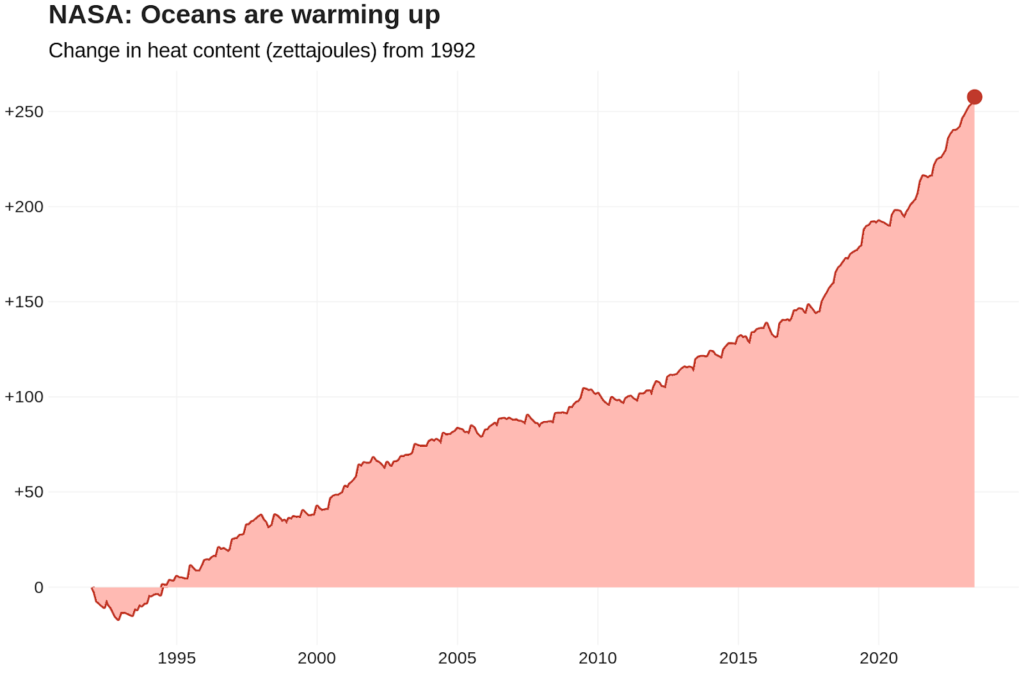
The changes of the overall temperature of the ocean has many effects on the plants and animals that depend on the aquatic ecosystem – endangering the habitat and ecosystems of ocean life as a whole (EPA).
This issue extends further than the water, and makes landfall in our communities all over the world.
The warming climate insinuates many climate issues that fuel and encourage the presence of natural disasters such as hurricanes through the presence of warmer ocean temperatures, more humid atmospheric air and higher wind speeds – the perfect trio (Planet). It is reported that before Hurricane Helene, the Gulf of Mexico’s water temperature was 3.6 times higher than average, causing a boost in wind speeds and an increased amount of rainfall (AP News). This boost in wind speeds and rainfall in turn caused catastrophic damage to homes and towns alike. In addition, according to the National Oceanic and Atmospheric Administration, from 1980-2023 the average number of natural disasters is 8.5 events annually; from 2019-2023 the average number of natural disasters is 20.4 events annually (NOAA). Natural Disasters such as wildfires, severe storms, and winter storms continuously increase where the American Red Cross is responding today to twice as many disasters as 10 years ago (Am. Red Cross).
The risk of more severe tropical activity is one that has been monitored and predicted for a while. The NOAA predicted an “above-normal” hurricane season in the Atlantic back in May (NOAA), citing nearly record-breakingly high ocean temperatures as a major contributing factor. These temperatures are expected to rise consistently-long term due to the burning of fossil fuels, which are adding greenhouse gasses to the atmosphere and trapping heat near the Earth’s surface (NYT). Deeper warm water provides more energy to fuel hurricanes, causing them to increase in intensity as they move faster and farther than in previous years.
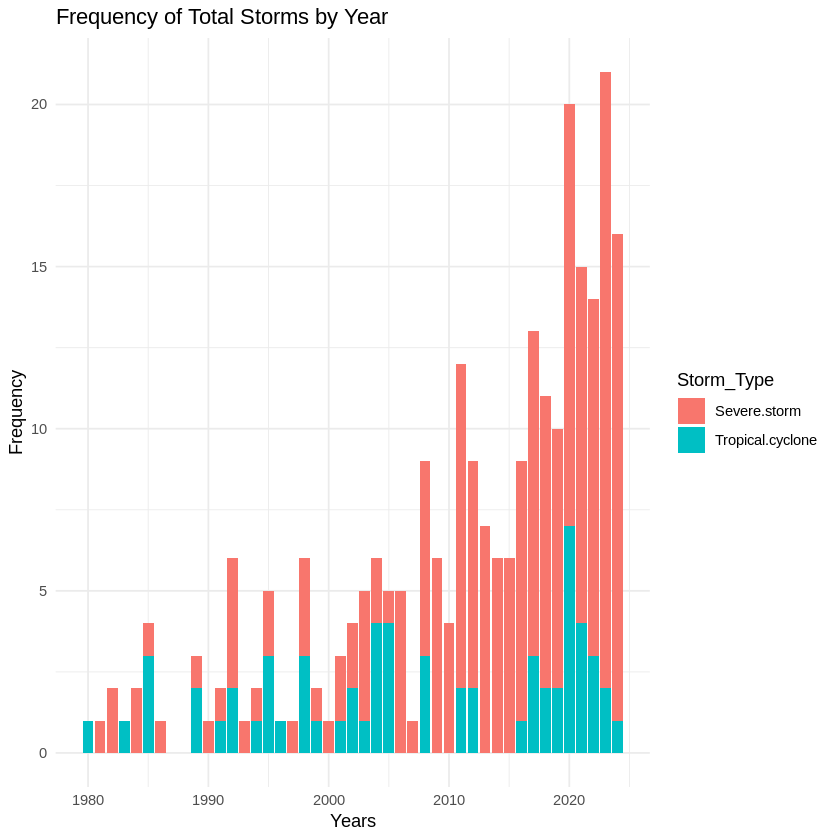
The frequency of hurricanes has not escalated as a result of the increasingly evident climate crisis; however, the intensity of these tropical cyclones has become catastrophic (NPR). Scientists report that the increasing atmospheric temperatures caused by climate change may actually be decreasing the total number of storms- but the storms that do form are likely to be more intense. Tom Knutson’s research finds that more storms will make landfall in the US as a Category 4 or 5 by 2030. Reiterating the fact that hurricanes while they may not be more frequent and becoming significantly more dangerous (The Atlantic).
Residents who live in these areas tell their own story on these most recent hurricanes:
The damage and impact of Hurricane Helene hit our area pretty hard. We’ve had our share of bad storms and hurricanes to pass through Augusta, but this experience in a first hand account was unimaginable”
@Minimarie Writes and Speaks
Potentially the most powerful hurricane in recorded human history on its way with airports, & civilian airspace alike closed for an entire coastline…However, this time watching first hand Floridians prepare for yet another storm of the century, seeing gas stations close with my own eyes, flights fill up with frightening speed as did all of the interstates & rental cars evaporation have forever altered my perspective”
@Richard Rowland
The gas shortages are so wild… there was an issue at the Tampa port and I guess it backed everything up. There are so many people losing gas on the side of the road or losing gas waiting in line to get gas. People can’t run their generators without gas… it’s so crazy. Fights are breaking out at the gas stations, you’ve got people waiting in their cars for hours and hours and hours… it just feels so apocalyptic.”
@Jessheavenlyhomeschool
We are okay… but we are honestly traumatized… go back to my last video where we heard something fall onto the house. Literally the scariest moment of my life. We had no idea what it was or what was going on until the next morning.”
@Jessheavenlyhomeschool
How are hurricanes becoming more dangerous and destructive?
There are many different ways that one can characterize a natural disaster- the initial category derived from the Saffir-Simpson Hurricane Wind Scale, based on the maximum wind speed that the hurricane can sustain but does not take into consideration other potential deadly hazards like rainfall, flooding and storm surges (NHC), and additionally the cost of the disaster. The National Oceanic and Atmospheric Administration is responsible for calculating the costs of these natural disasters through the destruction of homes and buildings, damage to vehicles, damage to public infrastructure, damage to agriculture, and costs involved with people losing their homes and jobs. While all storms and natural disasters cause damage and have significant impacts on communities and citizens, tropical cyclones are proven to be the costliest, both in finances and in lives lost (USA Facts). In 2024 alone, there have been 20 natural disaster events with costs of over $1 Billion for each event excluding the most recent Hurricanes, Helene and Milton (NOAA).
How to Prepare
Hurricanes may not be happening more often, but their damage is at an all-time high. Residents should be aware of the effect of climate change on natural disasters and further efforts to counteract and prepare for the overwhelming effects of these current natural disasters on their communities. “Taking a proactive approach to our increasingly challenging climate landscape today can make a difference in how people can recover tomorrow,” says FEMA Deputy Administrator Erik A. Hooks, stressing the importance of preventative measures such as fortifying homes, checking up on insurance and documenting possessions such as photos and serial numbers that could be needed to file a claim.
Following Hurricane Debby, a category 1 storm that hit the Southeastern United States in August of this year, 77% of Florida homeowners with Citizens Property Insurance were denied claims despite the company being state-backed (News 4). The storm was responsible for an estimated $1.4 billion in damages despite comparatively low wind speeds. $440 million of that damage was attributed to inland flooding, which Citizens does not cover. A spokesman of the company told News 4, a local Jacksonville news outlet, that “Citizens, like most other insurers, doesn’t cover flood.”
Bridging Insurance Gaps and Financial Preparedness
Because ordinary insurance policies like Citizens usually exclude flood damage, many homeowners are subject to financial hardship during hurricanes. Separate flood insurance policies can provide crucial measures for protection as storms cause increased inland flooding, flash floods and seasonal storm surges. According to FEMA, “floods—including inland flooding, flash floods, and flooding from seasonal storms—occur in every region of the United States… in fact, 90 percent of all natural disasters in the U.S. involve some type of flooding,” illustrating the increasingly relevant need for comprehensive coverage. To make it easier to recover from possible losses, FEMA advises creating a financial safety net in addition to insurance, such as setting aside emergency funds for unforeseen storm-related costs.
Developing Resilience
While preparation is imperative, long-term measures to combat climate change and lessen the underlying causes of these catastrophes are just as important. Reducing climate hazards can lessen the frequency and intensity of damage caused by weather. To assist in reducing greenhouse gas emissions, it is crucial to reduce dependency on fossil fuels, support renewable energy sources, and preserve buffering natural environments such as mangroves and wetlands.
Proactive remedies are already being implemented in communities around the United States. For instance, in order to assist flood damage, new building standards in Miami mandate higher elevations for new development. In a similar vein, North Carolina coastal municipalities are using natural materials to create “living shorelines” that better shield their properties from storm surges (NCSU). FEMA encourages people to support local efforts to create long-term resilience while it works to modify its own risk assessment procedures to better incorporate the reality of climate change.
Community Awareness and Action
Individuals and families must keep informed when adjusting to climate change. The American Red Cross and the National Oceanic and Atmospheric Administration (NOAA) are two trustworthy organizations that provide helpful preparedness guidelines specific to severe weather occurrences. Self-education and involvement in community preparedness activities, such as emergency drills and resilience training, can offer readiness and peace of mind.
Communities are better equipped to handle the problems posed by climate change when significant actions are taken, whether through community activism, home preparations, or lobbying for legislative reforms that promote renewable energy and environmental preservation. As we enter a period of more intense storms, it is more crucial than ever to work together to protect our homes, communities, and future.
]]>