
Online dating lets people look for a relationship in the palm of their hand, but these apps fall short in guaranteeing transparency and protecting users, sometimes leading to uncertain, unsafe situations.
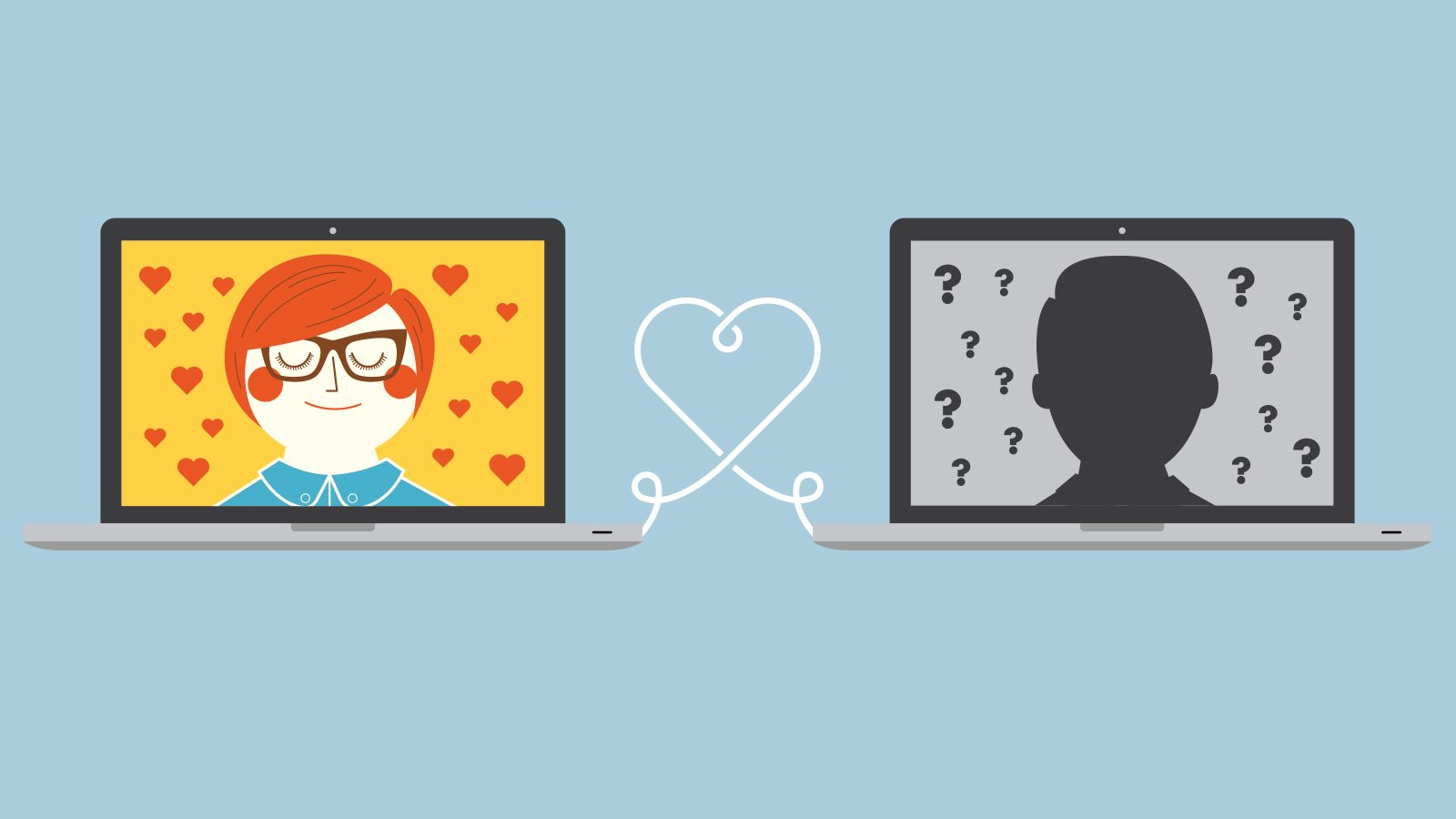
Before apps and sites, those looking for love used newspaper ads in hopes of finding a match that, too, liked pina coladas and getting caught in the rain. Of course, meeting strangers for coffee is nothing new, but perhaps it’s the reliance on online methods that makes modern dating so, as one anonymous survey respondent said about their experience with dating apps, “terrible, lol.”
Data from the Pew Research Center concludes that 47% of adults in the U.S say that “dating has become harder in the last 10 years.” Men especially cited technology itself as the problem, but women, who represented the majority of those who felt dating has become harder, cited physical and emotional risk. This highlights a general consensus that there are increased dangers associated with online dating. Another Pew Research study shows that around 49% of people in the U.S think meeting people over apps is unsafe, and 48% report experiencing some level of harassment. These ideas are not irrational, in fact, 10% of sex offenders use online dating platforms. Anxieties over online dating safety have also led to an trepidatious dating culture—65% of those surveyed by the Pew Research center said the “increased focus on sexual harassment and assault” in recent years has led men to feel reluctance when interacting with others when on dates. The staggering similarities between the proportions of the population that have either experienced harassment, are worried about experiencing harassment, or both, and the proportions of the population that view dating apps as unsafe and modern dating as harder, are almost ironic— the majority of the population blame an increased focus on preventing such harassment and assault as the reason that modern dating is harder.
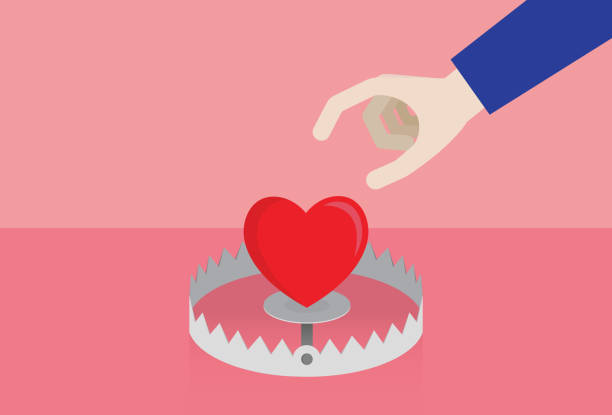
The nature of online dating apps has allowed the issue of harassment to become more mainstream, creating a dating culture where people must consider safety and uncertain situations, ultimately making dating feel “harder.” But dating apps have some redeeming qualities. The aforementioned Pew Research study found that modern dating is hard for a plethora of other reasons too, like mismatched expectations and finding it hard to approach people, both of which the superficial premise of dating apps can actually help overcome. In fact, there are several pro-dating app arguments that claim dating apps have the potential for speeding up the process of potentially finding a match by adding convenience to the process of meeting and communicating with more people-it is easier to text than meeting someone and hoping to see them again. Some apps have even begun to make relationship expectations more immediately transparent by adding “What are you looking for?” options to profiles. So, even though some users are displeased with dating apps, developers are able to respond to negative feedback and adapt their apps to user preferences.

To get a better idea of dating culture amongst younger generations, we conducted an anonymous survey with 52 adults between the ages of 18 and 52, with the majority of those surveyed being under 25. Results of this survey also showed that of the 50% of surveyed adults have used dating apps, and amongst these users, Tinder was the most popular dating app, with 73% of dating app users surveyed having used or are currently using Tinder. In this survey, one respondent wrote, “As someone who was looking for something long-term, it was hard to weed through who was serious and who was just looking for something casual, especially on Tinder.” This observation is not uncommon—only 50% of the Tinder users in our survey actually use it for long-term relationships. Interestingly enough, long-term relationships were the most preferred relationship type across the board, as chosen by about 67% of all survey respondents and 69% of dating app user respondents.


It is this type of discrepancy that fuels frustration around mismatched expectations, even on dating apps which have features designed to provide transparency. This has led to varying opinions of dating apps, the majority of which are neutral, but overall more negative than positive, especially for women who are more concerned with dating app safety. On the surface, the superficiality of dating apps isn’t any different than the superficiality of flirting with a stranger in public, but dating apps allow the user to tailor their experience on the assumption that each user is honest about their expectations, and it can be especially jarring when those parameters are violated. So, even if someone says they are looking for a long-term relationship, it is never really guaranteed that this is true, as this data proves.

Perhaps the problem with dating apps isn’t the fact they exist, rather the issue lies with the environment they foster, making it easy to lie and filter out the blandness and nuance from everyday interactions, leaving the platform saturated with the extreme. Such an environment leaves the user more susceptible to experiencing inappropriate behavior or even perpetuating it, giving rise to worries about safety and increased risk of harassment and assault. Still, people use them, and now so more than ever. So if you’re on the apps or thinking about making a profile, how can you protect yourself? RAINN (Rape, Abuse & Incest National Network) recommends these tips for safer online dating:
When meeting online, avoid profiles that seem suspicious, like those with no bio or with only one photo, and trust your instincts when interacting with accounts that seem untruthful. On the chance you become suspicious of a profile after matching, don’t be afraid to block or even report them, especially if their behavior becomes inappropriate. When meeting in person, especially for the first time, meet in a public place and tell a friend where you’re going and who you’re going with. Again, trust your instincts if something doesn’t feel right, and don’t be afraid to ask a bartender or server for help.
Beyond protecting yourself, in order to increase the likelihood of a positive experience, remember to be that positive experience for someone else. Be honest on your profile, and be polite with those you interact with. Don’t overload yourself—the highest number of options our brain can deal with is nine, so get to know your first nine matches and assess compatibility before you continue swiping for more.
Most importantly, don’t forget that, at the end of the day, it is only an app. Don’t get down on yourself if matches are sparse, and don’t gloat if you’ve matched with the whole userbase. As with any profile online, it’s easy to become wrapped up in it and mistake what you experience for a true representation of reality. Take a step back when you need to, and remember that you are a lot less alone than you feel.
This article was collaboratively produced by Ellie Noti, Ryan Desnick, Antonia Kladias, Vera Then, and Kaitlyn Ip.