
California residents lives at risk, their communities displaced, ecosystems devastated
Almost 50 years ago, Nicole Cook’s stepfather built their family house in Mariposa County, proud of his work as it was built with square domes. It was a six bedroom house with a kitchen in one dome and the bedrooms in another, which Cook’s stepfather was proud of because the house “wasn’t a square box.” However, on July 22, 2022 the Oak Fire was sparked, a tragic wildfire that would grow to be California’s largest fire. The Oak Fire burned around 20,000 acres of land and destroyed an estimated 127 homes. One of them was Cook’s hand-built pride and joy.
So far in 2024, 7,026 wildfires burned 1,013,960 acres of California land according to the California Department of Forestry and Fire Protection. While that is only 1% of California’s size, there is a continual increase in the number of wildfires and irreparable damage that is being done.
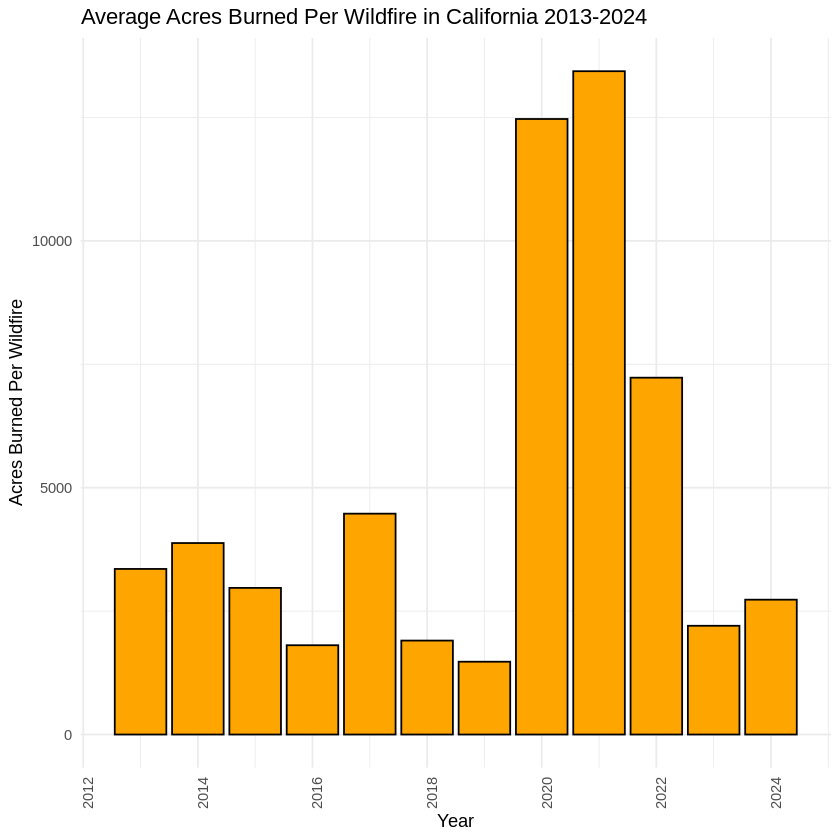
The main cause is climate change where there are periods of high temperatures and drought during El Nino and La Nina years that provide the perfect conditions for wildfires to start and spread. The vegetation is more easily ignited during June and fire spreads more rapidly during July to September. Those conditions combined with the poor water infrastructure of California, lead to fires not being contained/put out as quickly or effectively, thereby causing more damage.
There are many families and communities that are suffering in the aftermath of wildfires. Let’s take a look at the situation the people of Mariposa have found themselves in, including the aforementioned Cook family.
The Cook family and the majority of Mariposa County residents are examples of “climate migrants,”a position of struggle that displaces and sometimes even separates families. Following the Oak Fire, Cook’s parents left their pile of ashes to move to Bass Lake, while the siblings were separated and staying with family. The PBS report states that Cook “isn’t sure what her parents will do next,” and that the residents are having trouble finding places to rent. Cook even stated “What is there going to be in place for [the impacted]? Because I know for a fact that my parents aren’t the only ones in this situation.”
The people of Mariposa, as well as other communities who were displaced by wildfires, face a pressing question: what should we do next? PBS cites researchers who have coined the term “climate migrants” to refer to these people displaced by the record breaking wildfires that predominantly swept California and the West.
While fire departments have done what they can, citizens are largely left to go through what they can salvage from the destruction the Oak Fire left behind. The Cook family lost important paperwork in the fire, and did not have time to rescue their two cats, who have not been found.
A major issue that climate migrants are facing is housing instability due to natural disasters like wildfires. In the last few years devastating fires have destroyed thousands of structures and burned millions of acres in California, with just over 31,000 homes lost since 2017.
On top of this, Anne Junod of the Urban Institute’s Metropolitan Housing and Communities Policy Center goes further into the impact of wildfires on families like the Cooks, explaining how there are psychological factors that stay with a person who had such great losses, which can add up financially and emotionally long term.
They are one of the many families that lost their homes to wildfires and there will be many more stories like that. According to pbs, “It’s expected that the wildfire risk across the country and much of the West will grow to threaten roughly 79.8 million homes by 2050.”
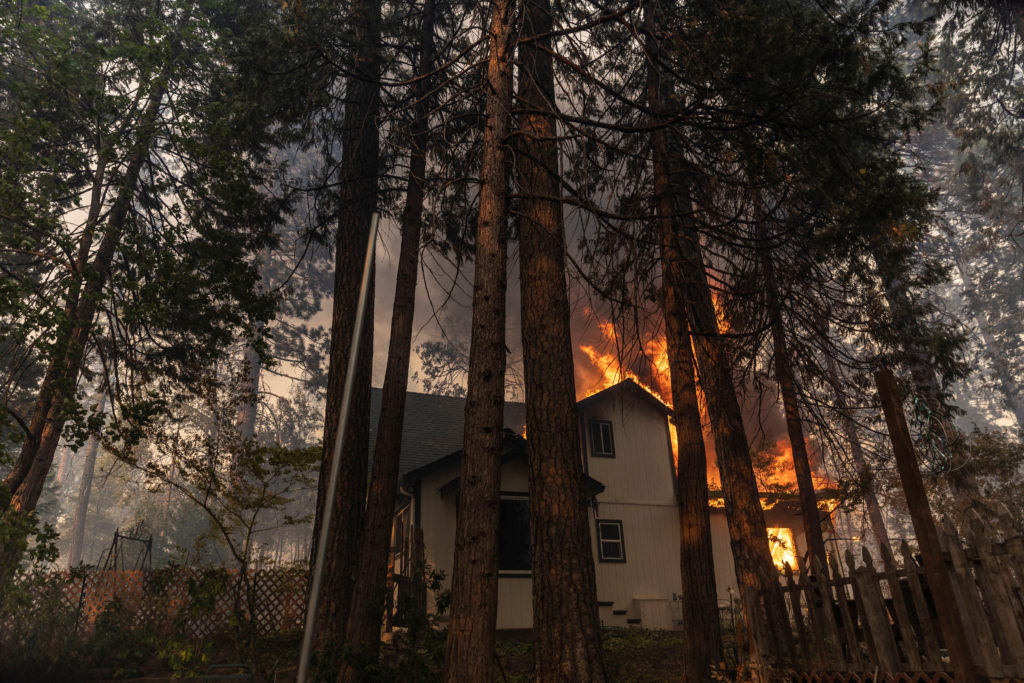
The Cooks didn’t have it so bad at least compared to the Diaz- Hunter family who lost much more. They had 1600 acres of land, a home with three rentals, a trail ride business, and all their equipment. These all burned down due to the Oak fire and they have to start anew. They started a GoFundMe to help cover quarter of a million dollars in equipment, rebuilding and rental expenses, and they raised $1,780. The amount they are asking for is large, but it is just one out of 130 families affected, and only one fire out of the 7,477 that happened in 2022.
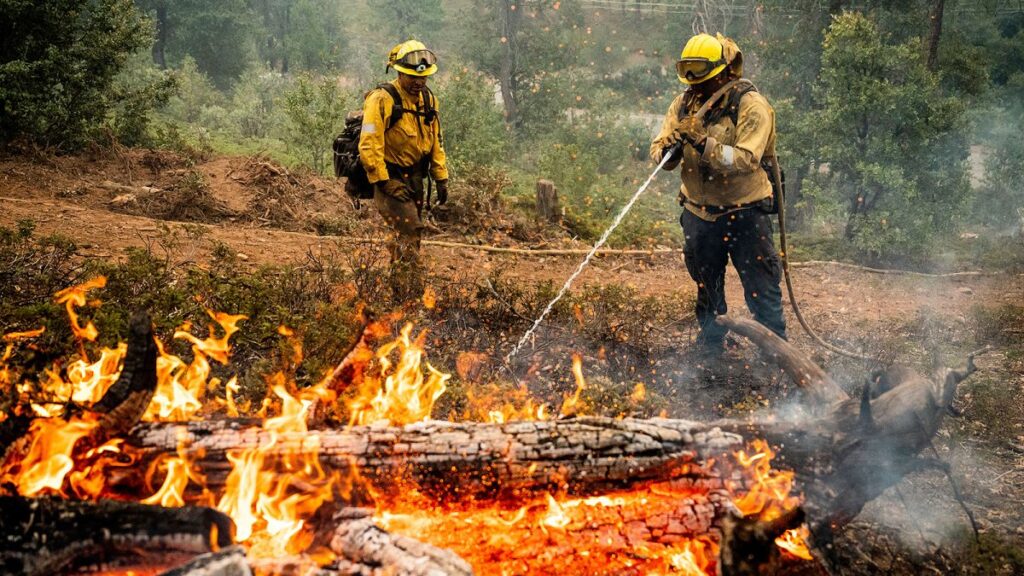
As you can see there are large fiscal impacts of wildfire. From 2017 to 2021, the Gordon and Betty Moore Foundation estimates that average annual losses totaled over $117.4 billion. The numbers include property damage, labor market disruptions and losses of life. But they also say that if response times were reduced, the fires could be contained 15 minutes faster, they could generate $150 to $350 million in fiscal benefits, which is only 3-7% but still a large amount of money. Firefighters can only get to a fire so fast but they have methods like rapid deployment and improved coordination between all fire response agencies because every minute counts. But instead of just focusing on reducing response times, there is a focus to reduce the number of fires in the first place. But there is a surprising cause of 10% to 15% of them.

Edward Frederick Wackerman was the man responsible for the Oak Fire that destroyed the Cooks and 126 other family homes. He was arrested last year and placed in Mariposa County jail for aggravated arson and arson that caused great bodily injury. Although there were five major wildfires that swept California in the summer of 2022, none were as destructive as the Oak Fire, which wreaked havoc during late July to early August. Historically hot and arid conditions in California provided ample conditions for the fire to take off, however sheriffs and law enforcement chose to decline answering how and why Wackerman started the blaze. The fire was finally contained on August 5th, with over 2,000 firemen working on diminishing it. According to NBC, about 10% to 15% of California’s wildfires are ignited by arson each year and this year; nearly half of the 1 million acres burned in the state were because of arsonists like Wackerman. Other names are Ronnie Dean Stout II: 430,000 acres, Spencer Grant Anderson: 3,789 acres, and Justin Wayne Halstenberg: 39,000 acres.
There are legal consequences for arson, but it is hard to prosecute, especially during hot dry seasons. It is hard to find evidence when most of it is burned away but sometimes arsonists leave evidence or signs behind. But something to consider is: Is time in prison enough punishment for causing the loss of thousands to hundreds of thousands of acres of land, hundreds of homes, and millions of dollars in damages?
Of course there are wildfires that are caused by other human activities that aren’t harshly punished. Simple activities like mowing the lawn or tossing a cigarette are the reason why people are responsible for 95% of California’s wildfires. One famous example is the 2018 Mendocino Complex fire that was caused by sparks from a hammer. The Mendocino Complex Fire, composed of two separate fire incidents being the Ranch Fire and River Fire, destroyed hundreds of thousands acres of land and hundreds of structures, devastating the Mendocino and Lake Counties in California. It has been found that the Ranch Fire was caused by a spark from a hammer being used to drive a metal stake into the ground by a property owner. The spark grew out of control, and the owner, despite multiple attempts and ways of trying to extinguish the flame, was unsuccessful in stopping it. Conditions like dry vegetation, wind, and heat in California allowed the fire to spread rapidly. As the Ranch fire tore through Mendocino County, firefighters were wounded and there was one fatality amongst them. Overall, the numbers from the Mendocino Complex Fire are alarming and highlight the detrimental effects of wildfires. 459,123 acres were burned, 280 structures were destroyed, and the fire was active for 160 days, to name a few. 7 out of 10 of the largest California wildfires have occurred in the past five years, which speaks to their severity.
There are many actions being taken by the government to prevent these wildfires like prescribed fires, vegetation management, and educating the public. But there is only so much they can do to prevent it. They can’t control climate change, the weather conditions, or the many serial arsonists they have. But for the people living in places at wildfire risk can take precautions to prevent their home from burning in the next Oak Fire. Some actions include: building with fire-resistant materials, creating a defensible space (space between vegetation and their property), looking into controlled burns, and more.